
Diocese of Plymouth Youth Volunteers Training Day
Reflection written by Emily, Agents of Change young leader and participant in the Youth Volunteers Training Day event
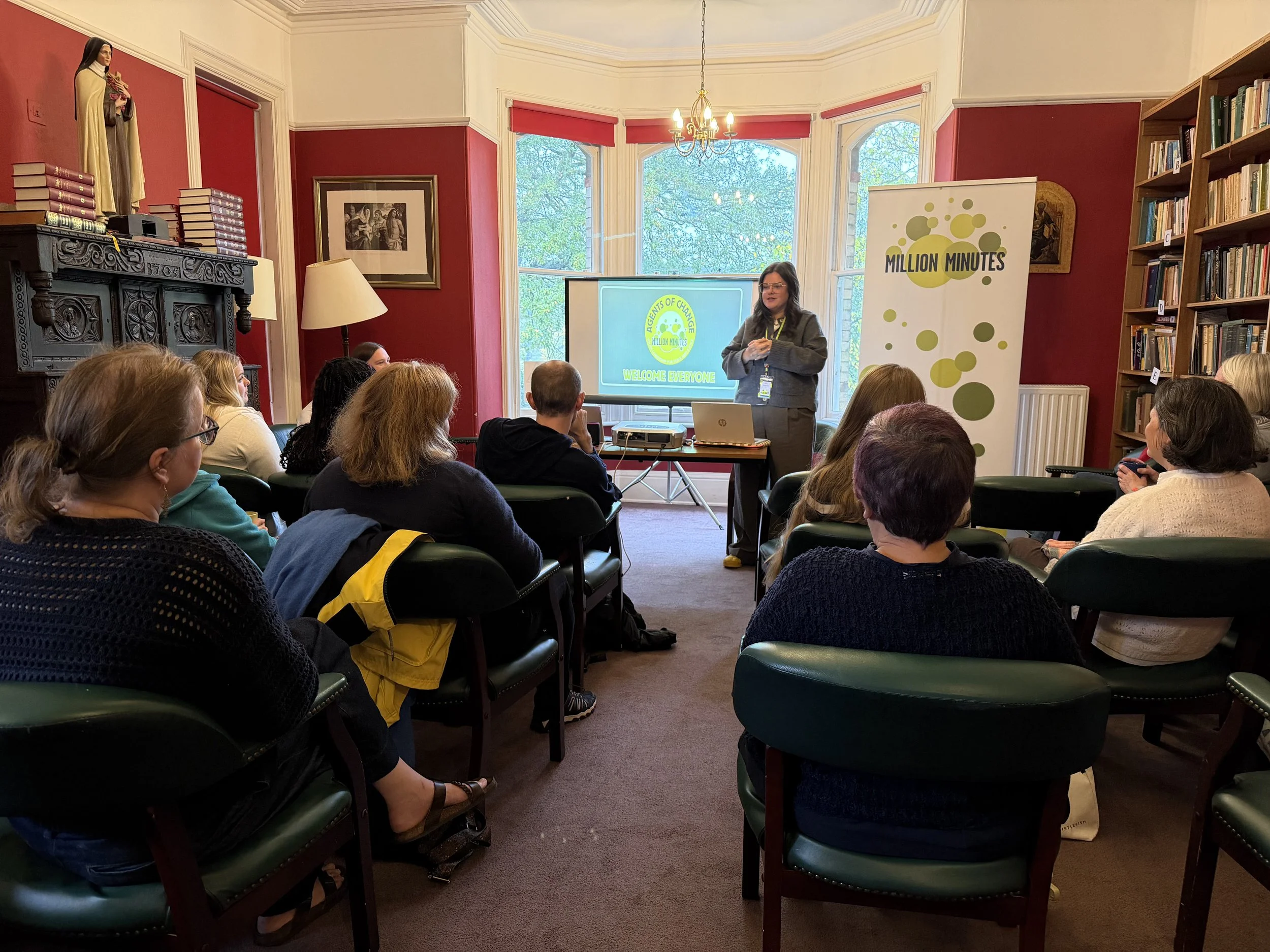
On Friday 24th October me, Sotaar, Bernie and Kate embarked on the 5 hour journey down to Exeter. Once safely arrived at our Premier Inn we enjoyed a delicious meal together before heading to bed in preparation for the busy day ahead.
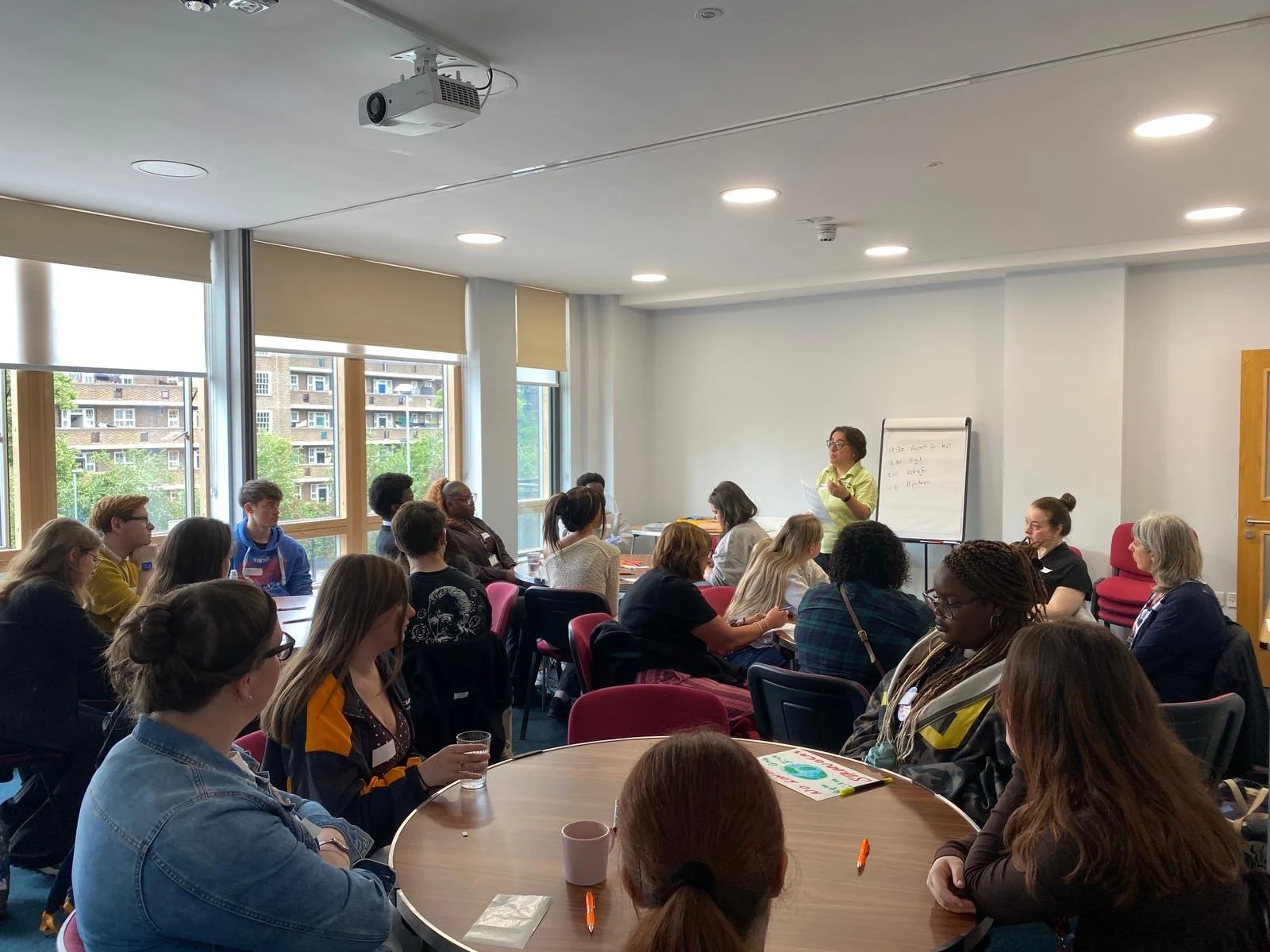
Saturday came and after a quick breakfast we moved over to the University of Exeter where we were privileged to join and aid the youth volunteers training day which was organised by Saskia.
Upon arrival we were greeted by a warm welcome, accompanied by tea, coffee ,biscuits and many interesting conversations before we settled into our seats for the day to begin. It started with an introduction from Saskia outlining the day and preparing all in the room to accept and listen to everything we hear with openness.
The first presentation was given by Kate, CEO of Million Minutes who focused on the key importance of accompanying young people on their journey of faith and how youth volunteers were able to do that. Throughout her presentation Kate allowed the volunteers to reflect on what they had heard with some prompted questions e.g. where are young people and is the church in those areas? Personally, i found that this offered both me and Sotaar along with the other few young people in the room to give our perspective and offer real life scenarios. During her talk, Kate looks at the verse Timothy 4:12, which says: “Don’t let anyone look down on you because you are young, but set an example for the believers in speech, in conduct, in love, in faith and in purity.” and stresses the importance of this for young people.
After the morning’s session, we were joined by Fr Michael who gave mass in the chapel. Mass allowed for a time of quiet reflection and prayer further preparing everyone for the rest of the day ahead.
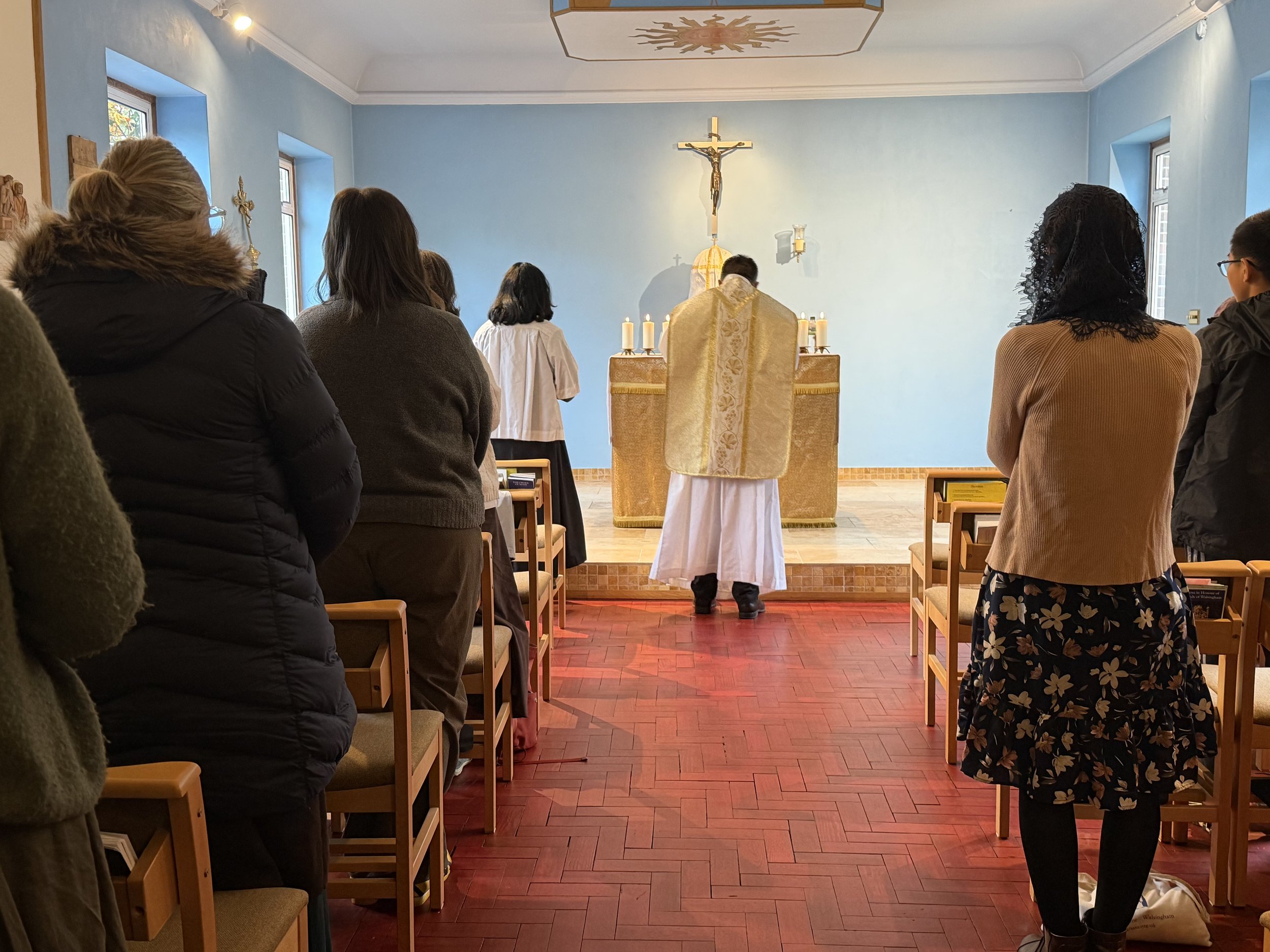
After mass, we enjoyed lunch, eating together a group and partaking in many discussions both about what we had heard that morning and what we were yet to hear. I also found many people wanted to know more about both Million Minutes and the Agents of Change programme which led nicely into the afternoon talks which would be given by myself and Sotaar.
Lunch ended and everyone once again gathered for the upcoming afternoon sessions the first being Sr Amandine who talked about Sclerder Abbey and the young adult's programme before. She spoke of community and the togetherness formed at Sclerder Abbey as young and old people, families and others join working, learning, eating and celebrating life together.
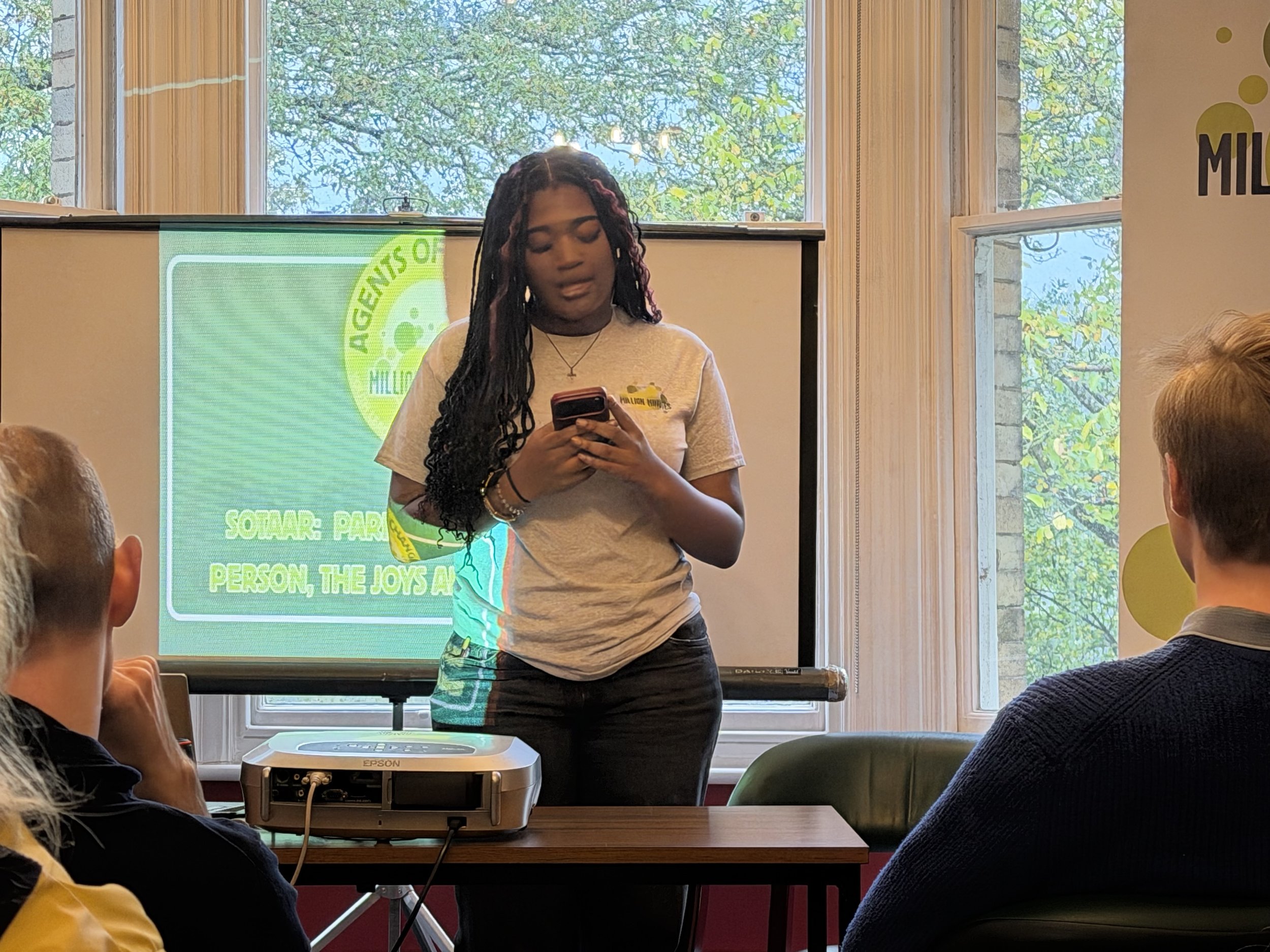
Then came the last presentation of the day given by me and Sotaar representing the Agents of Change programme.
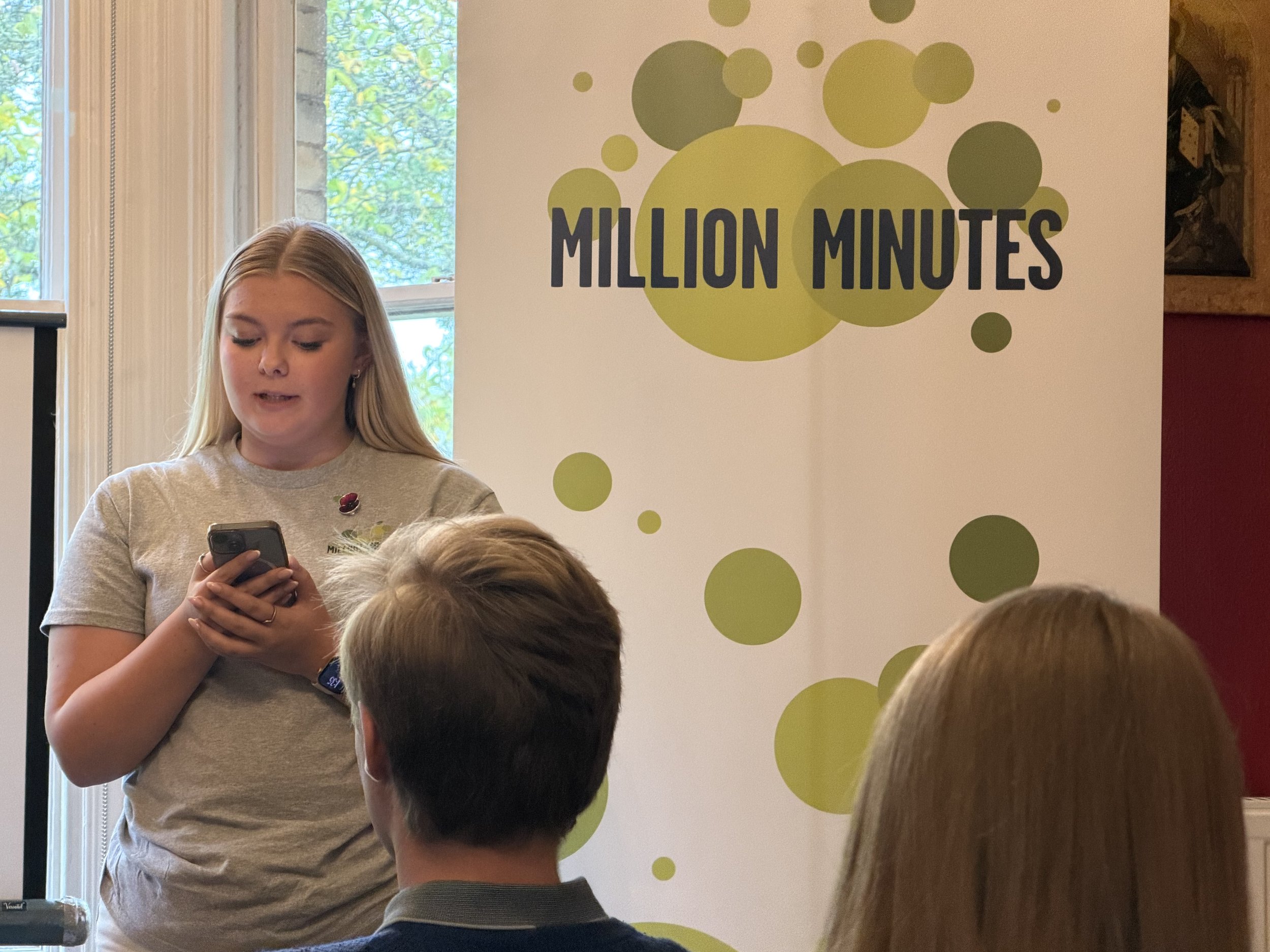
My talk was based around the question 'how does my faith led me to love serve and act?' And when speaking I explored what my faith mean to me and how I am able to put that into practice in daily life. I look at the truth behind Mother Teresa quote of “no all of us can do great things, but we can do small things with great love.”
Sotaar then followed with a talk looking at parish life as young person: both the joys and challenges. Throughout her talk Sotaar focuses on the importance of parish life and how it is so much more than attending Mass on Sundays. She also looks at misconceptions and barriers young people face not only in faith but especially in the Church.
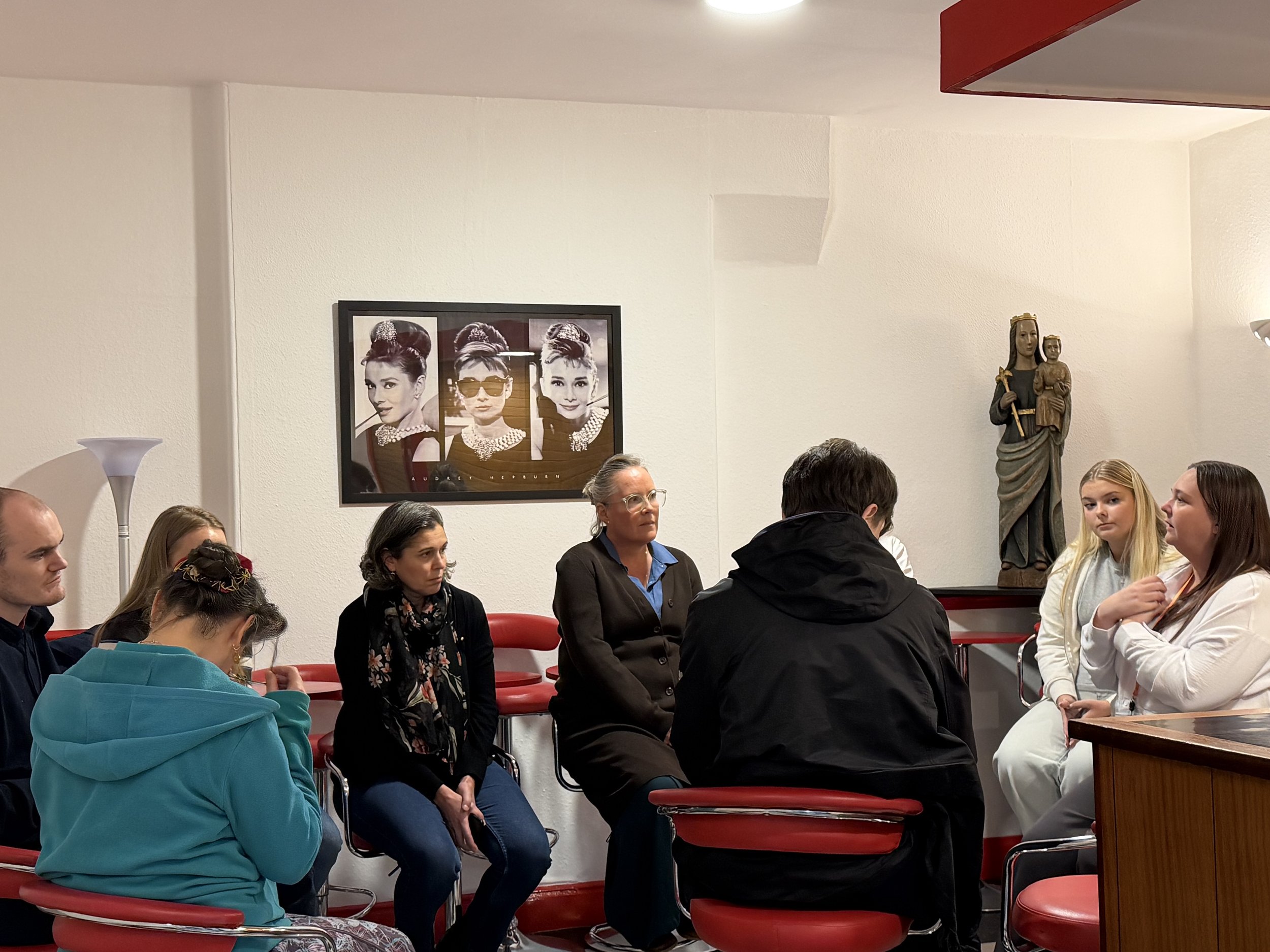
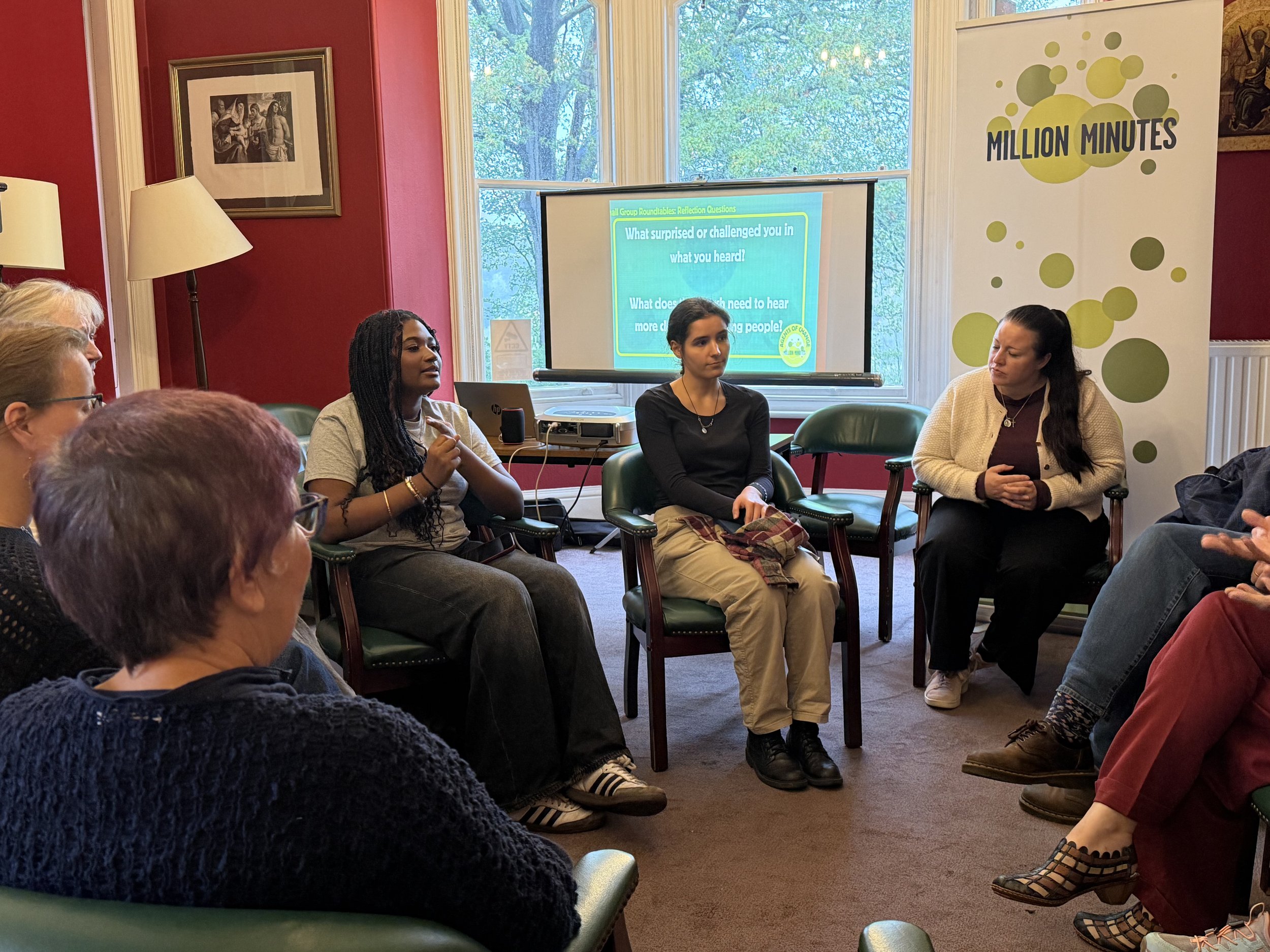
Once we had conclude our section the group split into two, each moving to separate area for a time of discussion and reflection looking at what surprised the youth volunteers and what they feel has / is changing in the church and what potentially needs to change in order to welcome young people even more.
To conclude the day, we joined once again for Saskia closing words of encouragement and thanks before we headed back on the road for our long journey home.
And finally, I would just like to express how grateful I am for the opportunity that was given to speak and for the knowledge and insight gained from listen to the other talks and convocations had throughout the day.

Amplify - What being a Christian/Catholic means to me?
Reflection written by Patrick, Agents of Change young leader

Today I am going to be talking about what being a Christian means for me.
For me being a Christian is about having hope. Being Christian is deeply rooted in hope. Just like Jesus on the Cross, suffering and death seem to have won. Even Jesus says to his Father “why have you abandoned me?”. For his disciples all hope seems lost, but their sorrow turned into joy at the Resurrection, and it proved that hope can continually rescue us from darkness. Being Christian is about having that same hope in darkness, when all seems lost you know that good can come out just like the Resurrection and that sense of good is a powerful force of hope. A hope that never fails but continually nourishes, Christians in the world look to the Resurrection and know that goodness and peace can come out. Another aspect of hope is trusting God with our problems. The most repeated phase in the Bible is “Do not be afraid.”, it appears 365 times one for each day, it shows us that God in continually present and will protect us. Being Christian is about having that hope that looks to the Resurrection and trusts that God’s plan will happen. St Padre Pio says “Pray, hope, and don’t worry.”
For me, being a Christian is about having joy. For me being Christian, our joy is not reliant on material things or what we have or want. Christian joy is rejoicing in the simple things, being happy that we are alive. An example of this is St Francis of Assiss, he gave up everything he owned, living as a beggar on the streets, choosing to walk barefoot, and shared everything with others but that didn’t stop he from having joy. People used to hear his singing in the streets, playing with birds and being generally joyful. He taught us that joy is not found in worldly success but in a humble embrace of life and love for all creation, he said, “The soul of the one who serves God always swims in joy.” He reminds us that beauty is found in service and simplicity. Another example of this is St Philip Neri. He is known for his contagious joy, he saw joy as the key to holiness, emphasizing that “a joyful heart is more easily made perfect than a downcast one.” He ministered to the sick, the poor, and marginalized communities. Being a Christian is about having that same joy that is rooted in service and faith that ignores the worldly things and constantly gives happiness to all.
For me being a Christian is about having a global family, a family that doesn’t end at death but continues eternally. Wherever you go in the world there are Catholic communities all with the same experiences and challenges you face. Being part of the Church makes you part of a global family all ready to help you. There are billions of Catholics all around the world showing that our faith is truly global. The Church is a community that surpasses death. The saints are all part of our community and all help and pray for us. As Catholics we have Mary as our mother to guide us. The Christian Community is in heaven and on earth, all brothers and sisters in Christ. For me being Christian is being part of the Christian family all united by Christ. This family allows us to connect with each other. I remember going to the shop and my dad asked a question to a man working there and he started to talk about terrible things happening in his life because my dad said he was Christian. For me being Christian is having a global family that allows us Christians to connect with each other.
For me being a Christian is living alongside God. Jesus has faced every challenge of life. Therefore, in every part of life, you know that God has faced it and overcame it. The Christian God is not a God that remains distant from our suffering but has joined us in it. Being a Christian is knowing that God came down and took on flesh. Being a Christian is knowing that God stands alongside you and can support you in every aspect of your life. It is knowing that God shared in our humanity and continues to nourish us today.
Another aspect of living alongside God is feeling the presence of the Holy Spirit. It is knowing that God’s Spirit is constantly with us and in us. Being a Christian is relying on God for everything from illness to the weather, it is making him your friend. Being a Christian is including God in every choice you make and knowing that he is with you. It means believing in the power of prayer. Jesus says, “I am with you always, till the end of time.”
For me being a Christian means being a servant. Being a Christian is putting ourselves last. Pope Francis says, “The world tells us to seek success, power and money; God tells us to seek humility, service and love.” For me being Christian means rooting your life in these values. It means finding life in service no matter how tired you are. Being a Christian is making your time everybody’s time and humbly serving everybody as if they are your family. Jesus teaches us that one of our highest calls in life is to serve. Jesus says, “For even the Son of Man did not come to be served, but to serve, and to give his life as a ransom for many.”
Overall, being a Christian means having a mission is complete and a perfect example of how to do it. For me being Christian means living with perfect joy and hope and knowing that God joined us in our humanity in all our struggles to reveal the love of God. Jesus says, “I have come that they may have life and have it to the full.”

Amplify - How My Faith Leads Me to Love, Serve and Act
Reflection written by Emily, Agents of Change young leader

I'd like to share how my faith leads me to love, serve and act.
As a young person, my faith is still growing. I don't have all the answers, and I don't always get everything right. But my relationship with God has taught me that faith isn't just something we practise on Sundays—it should shape how we live every day.
For me, faith is much more than going to Mass or saying prayers. Its believing and trusting in God, putting all confidence in his personalised plan for each of us.
I believe that one of the greatest commandment Jesus gave us was to "Love one another as I have loved you." Those words sound simple, but they can be difficult to live out. Loving people isn't only about caring for our friends or family. Sometimes it's about showing kindness to someone we don't get along with, forgiving someone who has hurt us, or including someone who feels left out.
As young people, we're surrounded by pressure. It's easy to judge people, join in gossip, or ignore someone because everyone else is. My faith reminds me to ask myself, "What would Jesus do?" Jesus spent time with people who were often ignored or rejected. He didn't choose people based on popularity or status. He chose to love everyone.
That inspires me to try to be kinder in everyday life. Sometimes loving others means simply smiling at someone who's having a bad day, listening when someone needs to talk, or standing up for someone who's being treated unfairly. These may seem like small actions, but they can make a huge difference.
Faith also leads me to serve.
When I hear the word "serve," I don't just think about volunteering or fundraising, although partaking in those is something I find very important but instead, I think about putting others before myself. Jesus showed us the greatest examples of service. He washed the feet of His disciples and sacrificed his life for us, showing that true leadership means humility and serving others.
As young people, we don't have to wait until we're adults to serve. We can help our families without being asked. We can support our friends when they're struggling. We can volunteer in our parish, help younger students, or give our time to charities and community projects.
Serving isn't always about doing something extraordinary. Sometimes it's simply choosing to put someone else's needs before your own. The small acts we do every day—helping at home, showing kindness at school, or listening to a friend—are all ways of serving Christ through serving others." Mother Teresa stated “Not all of us can do great things. But we can do small things with great love. I think that this quote itself serves as a beautiful reminder that God doesn't expect us to be perfect or famous. He asks us to love faithfully in the ordinary moments of life.
Finally, my faith leads me to act.
For me, faith isn't just about what I believe—it's about how I live. Every day I have the choice to reflect my beliefs through my actions, and whether it's helping someone in need or showing kindness and compassion, these actions allow me to live out the Gospel. I believe that when each of us puts our faith into action, we can build a stronger, more caring community where everyone feels valued, supported and loved. Even small acts of service and kindness can inspire others to do the same, creating a ripple effect.
Acting on my faith means making choices that aren't always easy. It means choosing honesty even when lying would be easier. It means standing up for what is right even if it isn't popular. It means treating everyone with dignity because every person is made in the image of God.
Sometimes acting on our faith means speaking up for people who don't have a voice. It means caring for God's creation by looking after the environment. It means helping those who are poor, lonely or suffering, not because we have to, but because Christ calls us to.
Of course, I don't always succeed. There are days when I'm impatient, selfish or afraid to do the right thing. But one of the most comforting parts of my faith is knowing that God is always ready to forgive us and help us begin again.
I also believe that faith gives us hope. The world can sometimes feel divided, stressful and uncertain. Social media often encourages comparison and negativity. News headlines can make us feel powerless. But Jesus reminds us that even small acts of love can change the world.
Every smile, every kind word, every act of forgiveness, every moment of service matters. We may never know how much one small act of kindness can mean to another person.
So, how does my faith lead me to love, serve and act?
It encourages me to love others, even when it isn't easy.
It inspires me to serve with humility and generosity.
And it challenges me to put my faith into action every single day.

Amplify - Where I see my faith misunderstood
Reflection written by Dylan, Agents of Change young leader

When thinking about where my faith is misunderstood, I realised that many people see the Catholic faith as restrictive, outdated or even irrelevant. I’ve come across many people who sadly hold these views and I’m sure that at some point all of you have too. I know that these negative labels do not represent my Catholic faith but they do pose an important question – why do people misunderstand our faith in the first place? The more that I’ve thought about that question, the more I’ve realised that the answer is found in the very cornerstone of our faith – Jesus Christ. To many people today, God is seen as someone distant or impersonal, disconnected from human suffering or perhaps not even real. But one of the things that has transformed my understanding of God is the idea that God became man. I’ve come to realise that our faith doesn’t ask us to search for God through our own efforts. Instead, we can rejoice that God has revealed Himself to us in Christ. The Lord who created the universe chose to walk among His creation. He chose to experience human joy and suffering. He then gave up His own life on the cross and rose from the dead to bring us back to Himself. Despite this, Jesus was still deeply misunderstood and even hated by some. When I reflect on that, it does start to make sense. Since our faith is centred on Christ, it makes sense that His Church will also be misunderstood by some. So when we ask why our faith is misunderstood, I think we should start by asking the question – why was Jesus misunderstood? As I read the Gospels, it became clear to me that Jesus wasn’t misunderstood because He failed to reveal God’s love. In fact, the complete opposite is true. He was misunderstood because He wasn’t the saviour that people expected Him to be. Many people were expecting someone who would overthrow the Romans using force and establish an earthly kingdom. But Jesus came with a different message. He teaches us to love our enemies, pray for those who persecute us and to seek the Kingdom of God. From an outside perspective, this might seem weak or even foolish. When I started thinking about this, something the Lord said to St Paul really stuck with me. The Lord said ‘My grace is sufficient for you, for my power is made perfect in weakness’. The more I reflected on those words, the more I realised that they describe God’s whole plan of salvation. Jesus didn’t choose to pursue earthly power. Instead, he revealed the power of God through what the world saw as weakness. At the time, even Jesus’ own followers didn’t understand this. When Jesus foretold of His death and resurrection, St Peter hoped it would never happen. Jesus then said to him, ‘Get behind me Satan! You are a stumbling block to me; for you are setting your mind not on divine things but on human things’. When I first read this, I was shocked. St Peter lived with Jesus, saw His miracles and even believed He was the Son of God and yet still struggled to accept God’s plan for salvation. If even St Peter struggled with trusting God, then it makes me wonder how many times I’ve stopped God’s love from being fully lived out in my life. Now, I believe that one of the main reasons why the Catholic Church is so misunderstood is because it continues to spread the same good news Jesus brought – a message that still challenges our idea of truth, love and the purpose of our lives. I think that people see our faith as restrictive because it doesn’t define freedom as doing whatever we want. Rather, it teaches us that true freedom is found in choosing to do good, even when it is difficult and becoming the holy people God created us to be. I’ve had so many conversations with friends that seem to think that being Catholic simply means following a list of rules and then receiving God’s love as a reward. As a Catholic, I know that this is far from the truth. Our faith is built on God’s unconditional love for each and every one of us. It teaches us to follow Him so we can have the true freedom that only He can offer. I believe that our duty as Catholics is to ‘always be prepared to give an answer to everyone who asks you to give the reason for the hope that you have’ as St Peter wrote. I think that this can be done by responding to God’s love and entering into a deeper relationship with Him. Through prayer, education in the Catholic faith and the service of others, I believe that we can continue to fulfill our mission of bringing the message of God’s love to the world. I’ve ultimately come to realise that since our faith is centred on Christ, we shouldn’t be surprised when it is misunderstood just as He was. But rather than discouraging me, I see that as an opportunity to know Him more deeply and to reflect His love more faithfully throughout my daily life. That’s why I truly believe that the greatest way we can help others to understand our faith is not just through the words we speak, but by letting our light shine before others through the way we live our lives.

Amplify - Parish Life as a Young Person: The Joys and Challenges
Reflection written by Sotaar, Agents of Change young leader

I would like to reflect on what parish life means to me as a young person: the joys that bring us together, the challenges that test our faith, and the role we can play in shaping the future of the parish.
I think parish life is about much more than simply attending Mass on a Sunday. It is about belonging. It is about finding a place where we can come as we are, where we are welcomed, supported and reminded that we are never truly alone. A church is not just a building made of bricks and stone; it is a community built on faith, love, kindness and the people who bring it to life.
One of the greatest joys of parish life is the sense of family it can create. We come together from different backgrounds, with different stories and experiences, yet we are united by something greater than ourselves: our faith in God. Through prayer, worship, celebrations and acts of service, we build relationships that remind us of the importance of standing together and looking after one another.
As young people, parish life gives us the opportunity to grow, not only in our faith, but also in who we are as individuals. It teaches us patience, compassion, humility and the value of giving without always expecting something in return. Sometimes, the smallest acts of kindness ,a smile, a helping hand, or simply asking someone how they are can make the biggest difference.
However, the journey of faith is not always easy.
As young people, we are growing up in a world full of expectations, distractions and pressures. We are trying to balance school, college, work, friendships and our own personal struggles. Sometimes, in the middle of all this, finding time for God and church can become difficult. There may be moments when our faith feels distant, when we question ourselves, or when we struggle to find our place within the Church.
Another challenge is making sure that young people feel genuinely welcomed, heard and valued. Sometimes, we may wonder whether our voices matter or whether there is a meaningful place for us in parish life. But I believe that young people have so much to offer. We bring fresh ideas, energy, different perspectives and a willingness to learn. We should not feel that we have to wait until we are older to make a difference. Our faith matters now, our voices matter now, and our presence matters now.
in the Bible,1 Timothy 4:12, says: “Let no one despise your youth, but set the believers an example in speech, in conduct, in love, in faith, in purity.”
To me, this reminds us that being young is not a weakness or a reason to stand on the sidelines. It is an opportunity. We can lead through our actions, inspire through our kindness and show our faith through the way we treat others. We do not need to have all the answers, nor do we need to be perfect. We simply need to be willing to grow, to serve and to allow God to work through us.
I believe that the church should be a place where young people are not only welcomed into the community, but encouraged to help shape it. A place where our questions are met with understanding, our ideas are listened to, and our faith is nurtured. We need opportunities to participate, to serve, to build friendships and to discover that the Church is not something we simply inherit from previous generations ,it is something we are called to live and build together.
And perhaps that is the beauty of parish life: we are all still growing. None of us has a perfect faith, and none of us walks the journey without challenges. But when we come together, we can strengthen one another. When one person feels weak, another can offer encouragement. When someone feels lost, the community can help them find their way again. We become reminders of God’s love in one another’s lives.
Ultimately, I believe that the future of the Church is not just about how many people sit in the pews, but about how many hearts feel connected, how many lives are touched by kindness, and how many young people discover that they have a place within God’s family.
As young people, we may not always know exactly where our journey will lead us. But we can choose to walk that journey with faith, with courage and with open hearts. We can help create a community where no one feels forgotten, where everyone has something to contribute, and where the love of God can be seen not only in our prayers, but in our everyday actions.
So, although parish life has its joys and challenges, I believe it is something worth investing in. Because a parish is at its strongest when generations walk together — when the wisdom of those who came before us meets the hope and energy of those coming after them.
Let us remember that we are not simply the future of the Church. We are part of its present, too. And each of us, no matter our age, has a role to play in keeping the light of faith alive.
Million Minutes Team Away Day 2026
Reflection written by George White, Chair of Trustees of Million Minutes
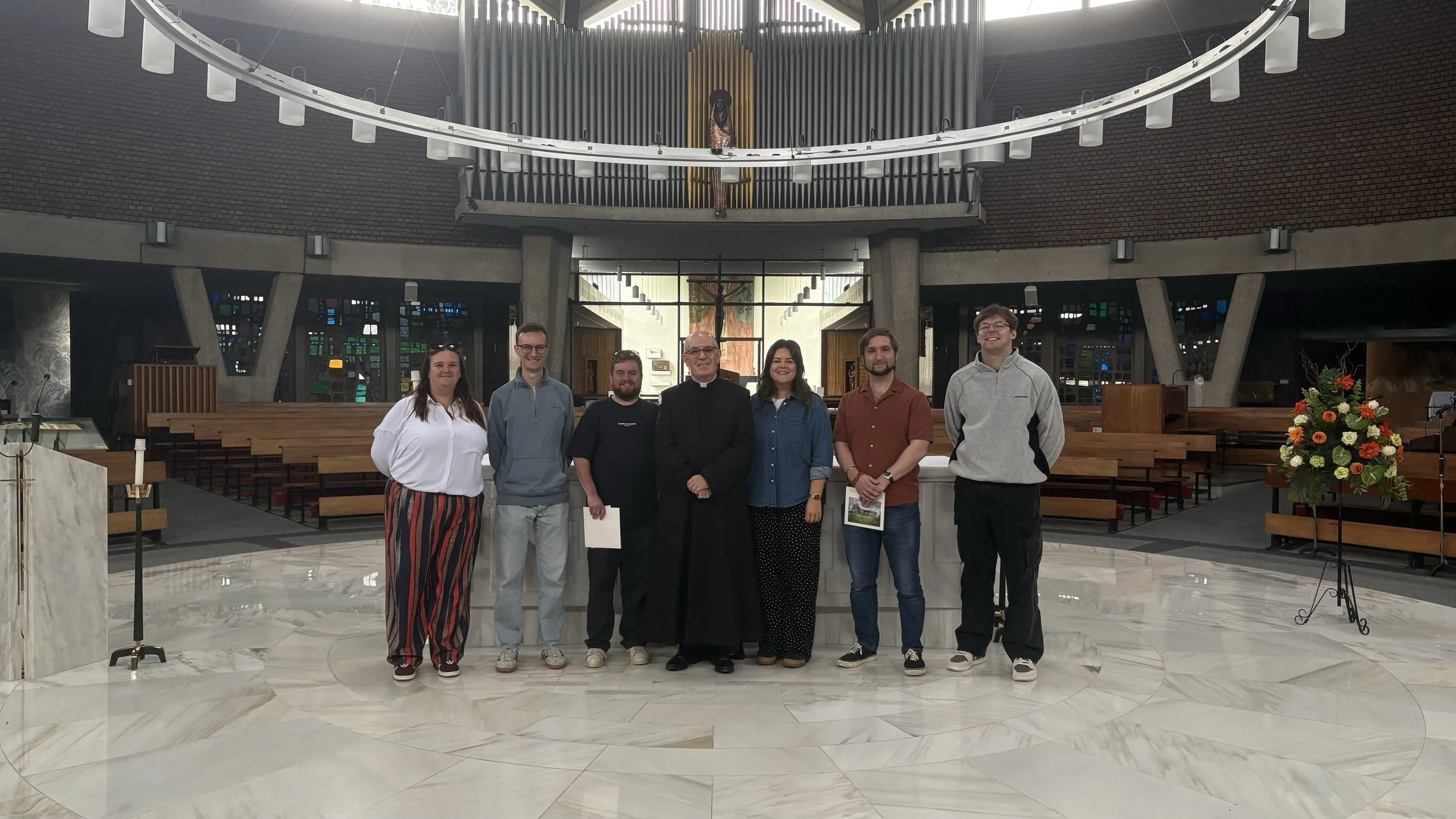
On Saturday 26th September, trustees and staff met for our team away day. We were privileged to be hosted by our new head office at St Mary’s Presbytery, Leyland; affectionally known as our ‘Number 10 North’. We were shown round the impressive site by Fr Joseph Bibby before we were led in our reflection by Phil Callaghan. Phil facilitated us through a review of our strategy which we formed in 2023. He taught us about ‘theory of change’ and led us honourably in deciphering where we had got to with our current strategy and where we might move in the future. There was much food for thought about how we might choose to move forward in our vital work. A fantastic day which was improved by two new potential trustees joining us online and sharing their reflections on the big questions as we explore the future. As we continue to look forward, we give thanks for all that has gone before us. This month, we say goodbye to our safeguarding trustee, Fr Ryan Service, who has been a vital part of our trustee board for the last 5 years. We give thanks for all he has done and been during his time with us and we wish him well in his future endeavors.
National Justice and Peace Network - Peace Grows Around Tables
Reflection written by Bernie Goddard, Engagement Officer of Million Minutes
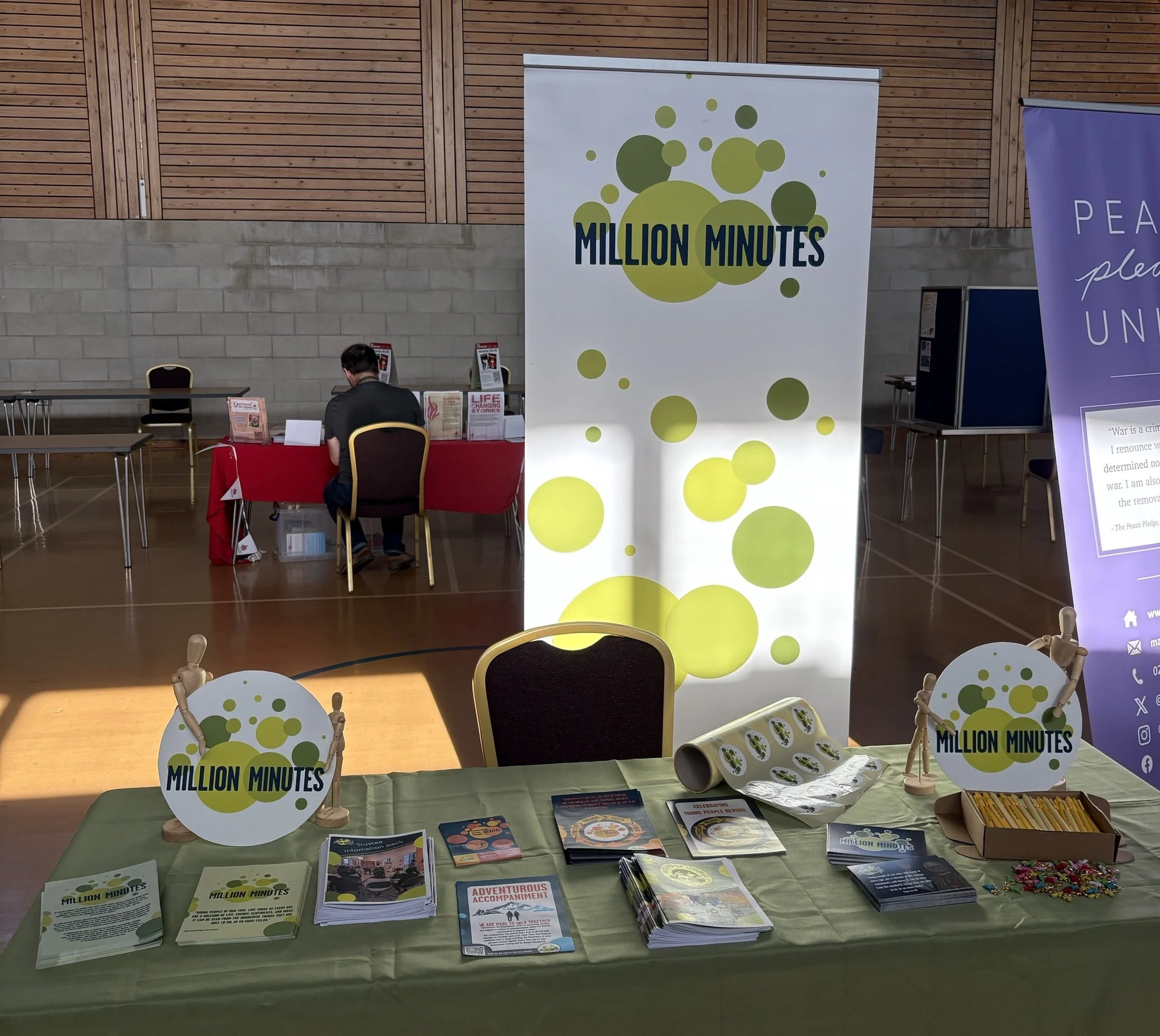
At the beginning of summer I made my way to the annual National Justice and Peace Network Conference for the weekend. The theme of the conference was “Just talk” and Brian O’Toole opened the Friday evening speaking on the importance of dialogue, deep listening with intent and how every voice deserves to be heard. We were also reminded of how peace grows around tables and not walls which is important to our work and ensuring the voices of young people have a seat at the table. Brian reminded us that those not at the table are often on the menu. What a great way the set up the weekend ahead.
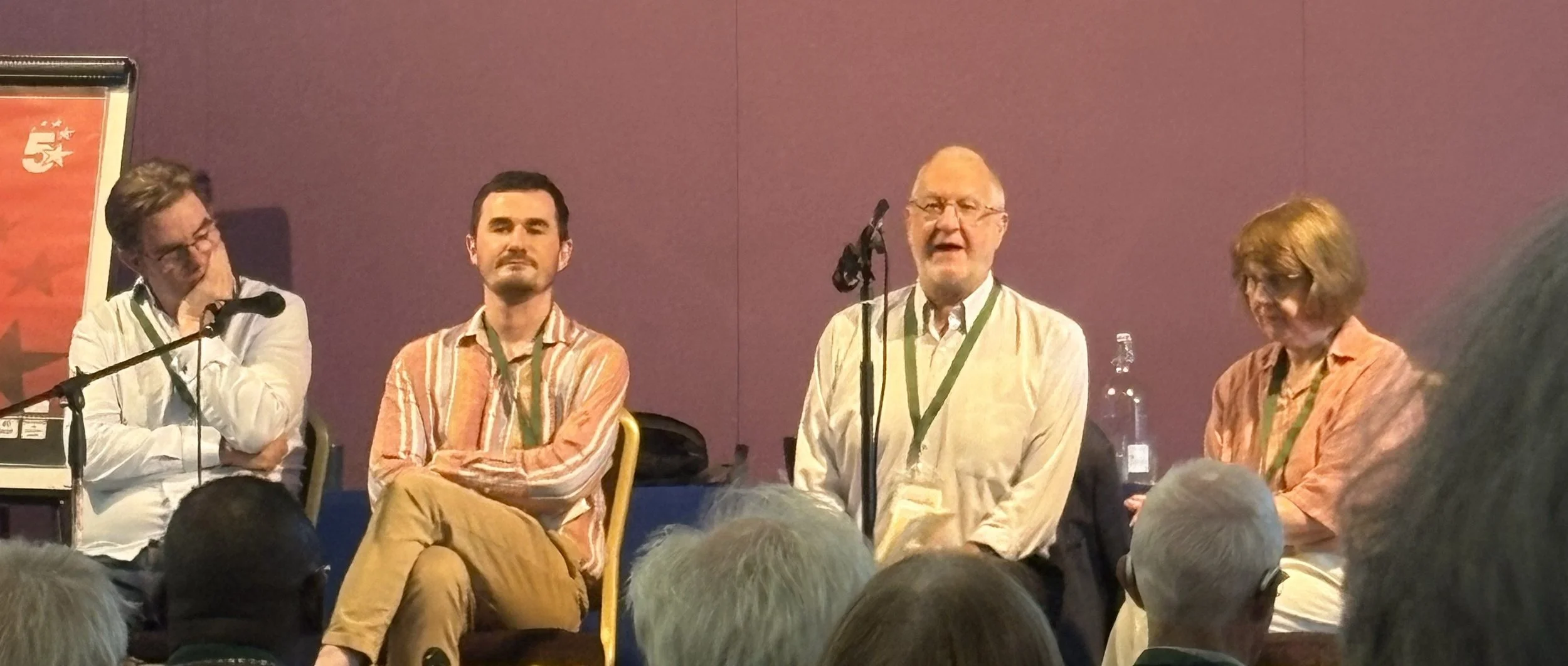
Saturday started with Billy Vaughan from Quakers in Britain who spoke about dialogue, freedom of speech and the right to peaceful protest. He spoke about democracy and the right to protest peacefully as a demonstration of dialogue. To peacefully protest is an act of visible concern and shouldn’t be treated as dangerous or suspicious make their concerns visible. Billy also reminded us about the importance of keeping the capital letter in “Just talk” which can allow “Just action”.
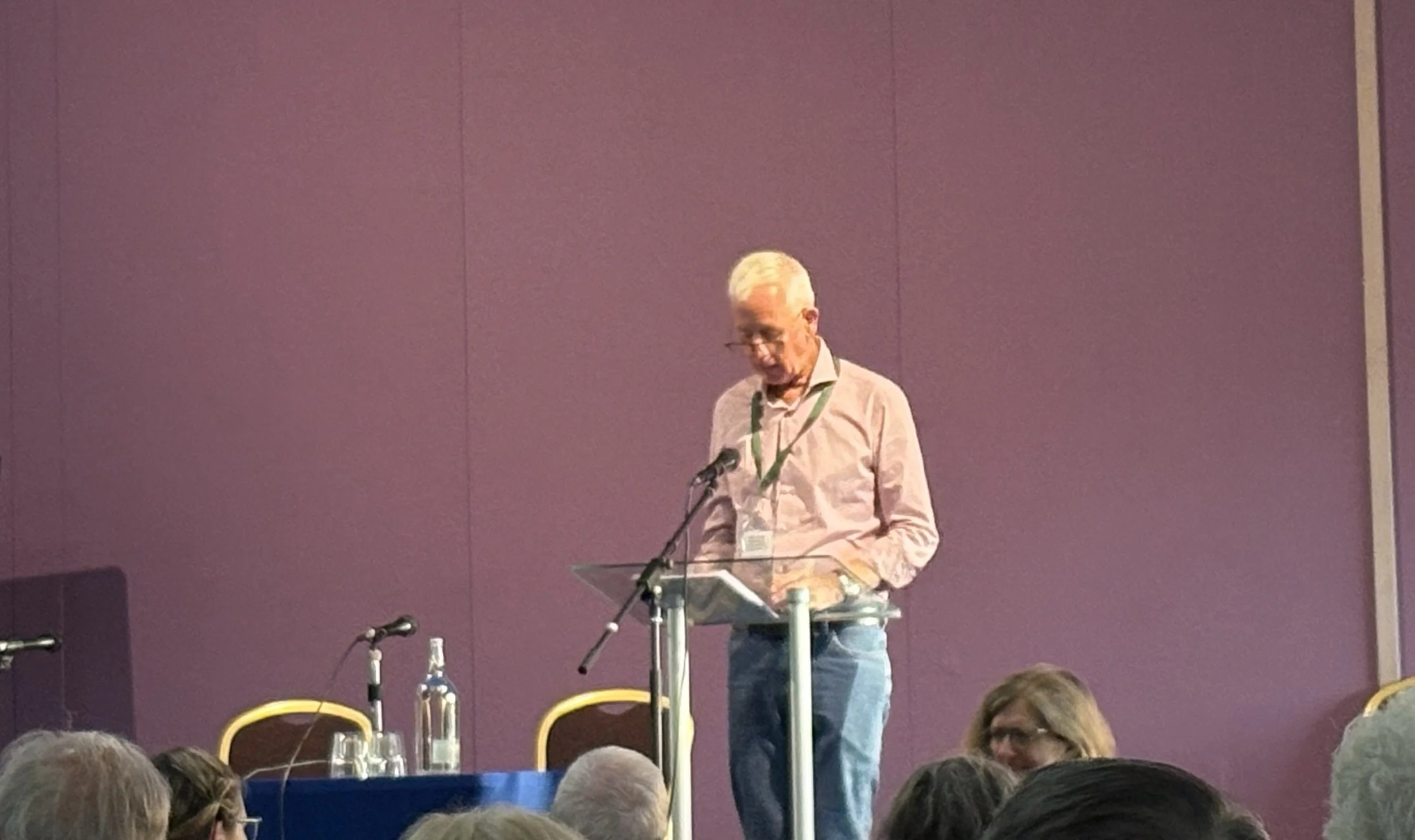
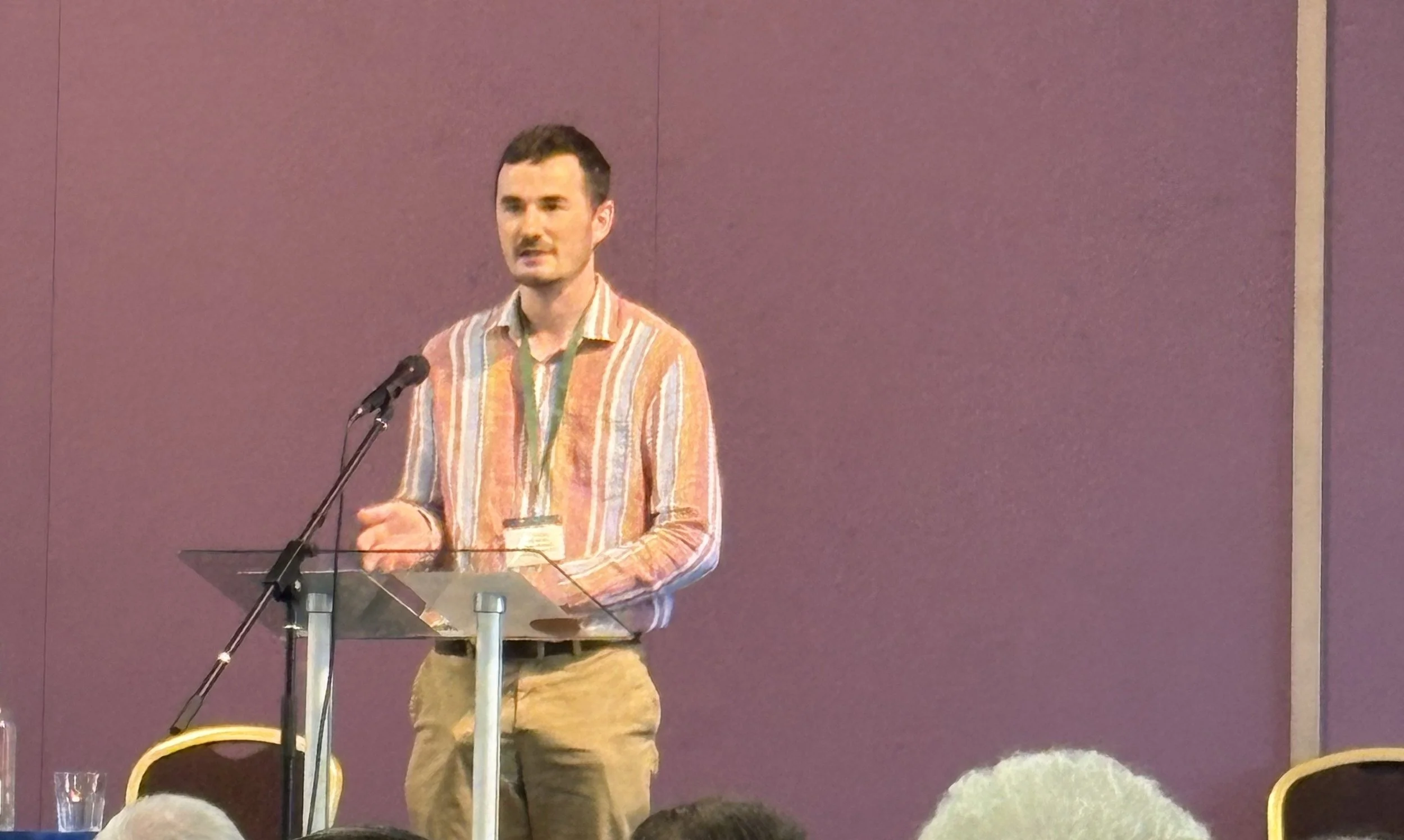
This then led into a panel discussion led by Sir John Battle on the subject of “Listening in local practice: Encountering others”. The panel considered how communities can overcome division by creating opportunities for people from different backgrounds and beliefs to meet. Bringing together people from communities to learn together and understand other views and experiences, to normalise encounters outside the circles they are used to hearing. Drawing on what unites and no what divides, allowing a better understanding of not always needing to agree on the same things and helping to eradicate fear but create opportunities for joint action.
The afternoon was an opportunity to attend workshops on various subjects to learn and explore social justice. I started off by attending a workshop lead by Brian O’Toole on information, misinformation and disinformation, looking at what we see and hear and how we can discern justly what is truth, mistake or intentionally misleading. Looking at the importance of knowing the difference in our world today.
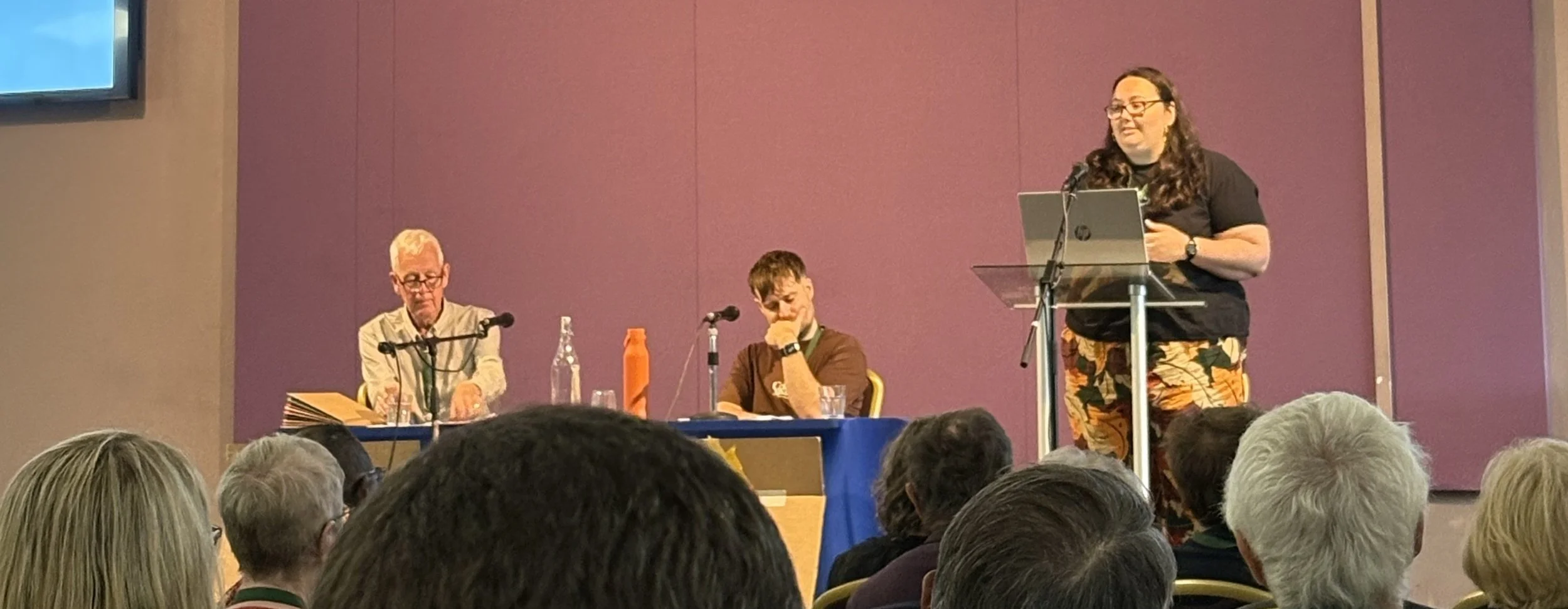
Sunday morning, we heard from Fay from PeaceJam UK and Michael from Citizens UK. PeaceJam UK brings together Nobel Peace Prize winners and young people through mentoring to change the world. Fay spoke about the importance of young people having a chair at every table.
Michael shared about the importance of reaching out to people who we often don’t agree with or align with in our views. It’s important to meet the person and build a relationship before meeting the issue. To bring people to the table and not build walls.
The whole weekend was fantastic and one of the key things which has stuck with me is from Sir John Battle “We give the gift of our listening as service” which is a reminder of the importance of listening and the work of Million Minutes in listening to the voices of young people.
In Our Own Words: Agents of Change Invite the Church to Listen
Reflection written by Kate Wilkinson, CEO of Million Minutes
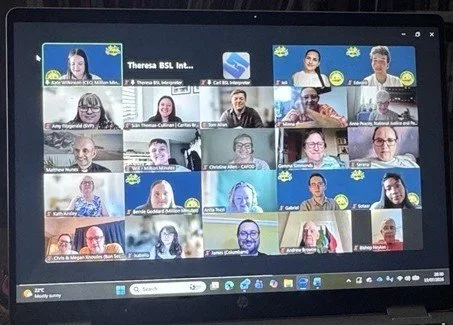
On Wednesday 15th July, the Million Minutes Agents of Change gathered online for In our Own Words, an event designed and led by young people to share their experiences of faith and invite the Church into a deeper conversation about what it means to listen to young people.
Agents of Change is Million Minutes’ youth leadership programme for young people aged 15-18, equipping them to become leaders for peace and justice through formation, mentoring, Catholic Social Teaching and opportunities for advocacy. The online event was the culmination of their journey together.
The event began with an observation shared by the young people themselves: the faith they experience is not always the faith that the world sees.
In a time when Christianity can sometimes be associated with division or exclusion the Agents of Change wanted to offer a different perspective. Their faith, they explained, is rooted in love, service, justice, solidarity and hope.
Rather than adults speaking about young Christians, this was an opportunity for young Christians to speak for themselves. Patrick, Dylan and Emily shared personal reflections on what being a Christian means to them, where they see their faith misunderstood, and how their faith inspired them to love, serve and act.
Their stories were followed by small group conversations, where young leaders and adult participants explore what they had heard.
Participants were asked:
What surprised or challenged you?
Where do you see disconnects between Church perspectives and lived faith?
What does the Church need to gear more clearly from young people?
The conversations were then brough back together by the young leaders, who reflected on the themes emerging across the different groups.
The response from the attendees was incredibly positive. One participant commented on “the depth of knowledge of the faith” demonstrated by the young leaders and their ability to articulate it, while another highlighted their “commitment to their faith and how they were able to clearly articulate what their faith means to them.” Several people spoke about the hope they took away from the event.
At Million Minutes, we believe listening to young people is about more than giving them a microphone. It means creating spaces where their experiences can genuinely shape the conversation. The event gave adults the opportunity to hear directly from young people about their lived experience of faith, while also creating space for dialogue and reflection.
The young leaders had already tested a shorter version of their workshop at the Archdiocese of Liverpool’s Social Action conference earlier in July. Archbishop John Sherrington, who attended their workshop, reflected that the Church needs to create more spaces for young people to be heard and to engage in conversations with adults. He also highlighted that there is much the Church can learn not only from young people’s voices, but from the way they facilitate conversations. The online event built on that experience, bringing together young leaders and adults from across the Church and Catholic social action networks.
The online event concluded by asking participants to identify one concrete action they could take as a result of what they had heard whether it meant listening differently, creating more opportunities for young participation to changing something within their own community.
The response to the Agents of Change programme had left the young people keen to remain involved. Many of the current cohort want to continue contributing to Million Minutes’ work and to help shape the programme for future participants. This is perhaps one of the most exciting outcomes of the project.
Our hope was that the Agents of Change programme wouldn’t simply be a one-off leadership programme but a programme that would help to build a network of young Catholic leaders who are confident in their faith, passionate about justice and equipped to use their voices to make a difference.
As Million Minutes looks towards the next cohort, we want to continue creating opportunities for young people to lead, to question, to challenge, to dream and to act.
Because young people are not simply the future of the Church, they are the Church NOW!
Dilexi Te Young Adults Reading Group
Reflection written by Chris Knowles, Programme Manager, Bon Secours Young Adults GB
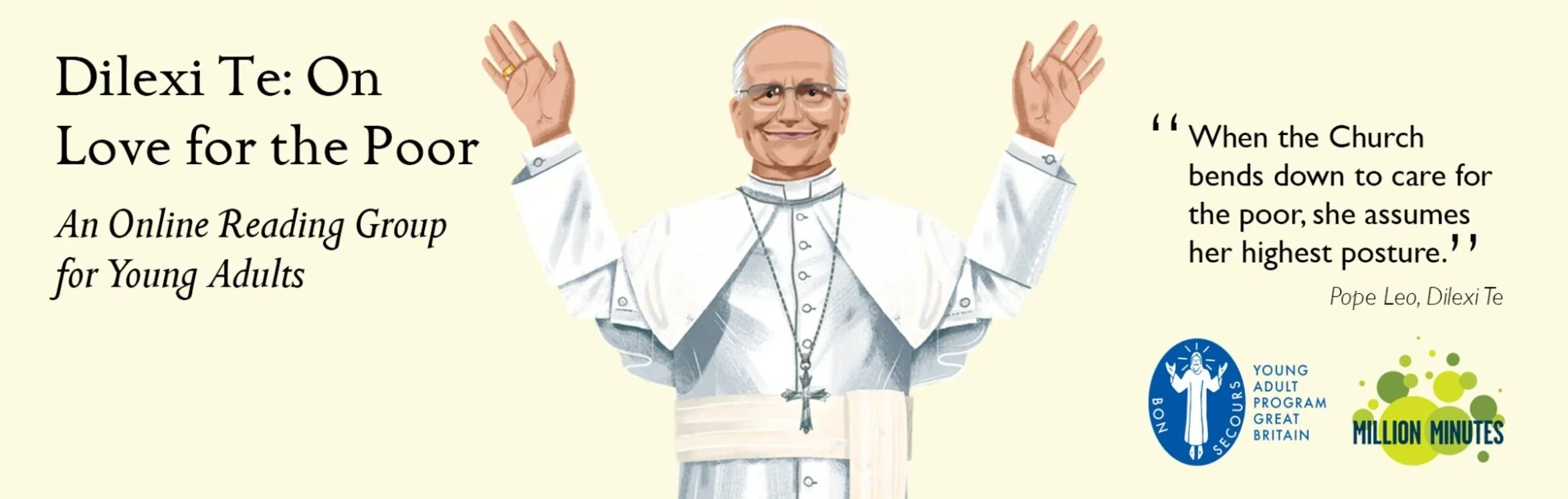
Over six weeks a group of young adults came together to explore Dilexi Te, Pope Leo’s first teaching document which focused on our love for the poor. The opportunity to explore the document together and share our own reflections on the text, enabled by Bon Secours Young Adult Ministry and Million Minutes, helped us engage with the document at a much deeper level.
Dilexi Te, an Apostolic Exhortation published by Pope Leo in October 2025 but started by Pope Francis before his death, focuses on how central the poor are to the Church, both its mission and its identity. “I often wonder”, Pope Leo laments, “even though the teaching of Sacred Scripture is so clear about the poor, why many people continue to think that they can safely disregard the poor.” This document challenges both the wider Church to take Christ’s call to serve the poor seriously, but also each and every individual, that each, according to their own ability need to take this commitment seriously and not leave it to others.
Twenty people came, whenever they were able, each Thursday night for 75 minutes over a six week period having engaged with the chapter being explored that week. As rich and deep as the conversations were, there was plenty of opportunity to keep things light and build relationships with others who also cared about the Church’s mission in this area.
Joe Wells, Co-Founder of One Hope Project, a project of young adults encouraging creativity in music and other areas of ministry said “Joining the Dilexi Te reading group was a real blessing. As I read through the book, I found myself both inspired and challenged. Having the opportunity to unpack the content together online and hear the insights of others helped me to reflect even more deeply on Pope Leo’s writing. I’m involved in music ministry in the Church and undertake projects that help people to lead music and engage with it as a way of praying and encountering God. Following this reading group, I feel inspired to think more deeply about how our work can be a blessing to those on the margins and a place of encounter with the poor.”
The relationships built through the course of the six weeks have led the group to want to meet again, to both take on Magnifica Humanitas with a wider group of young adults, and come together in person to deepen relationships and explore how we God is calling us to bring to life the calls Pope Leo is giving us.
If there are those in their 20’s and 30’s interested in going deeper into where Pope Leo is calling the Church, reach out, stay in touch and keep eye out for upcoming opportunities!
CSAN Leadership Conference - Rome
Reflection written by Kate Wilkinson, CEO of Million Minutes
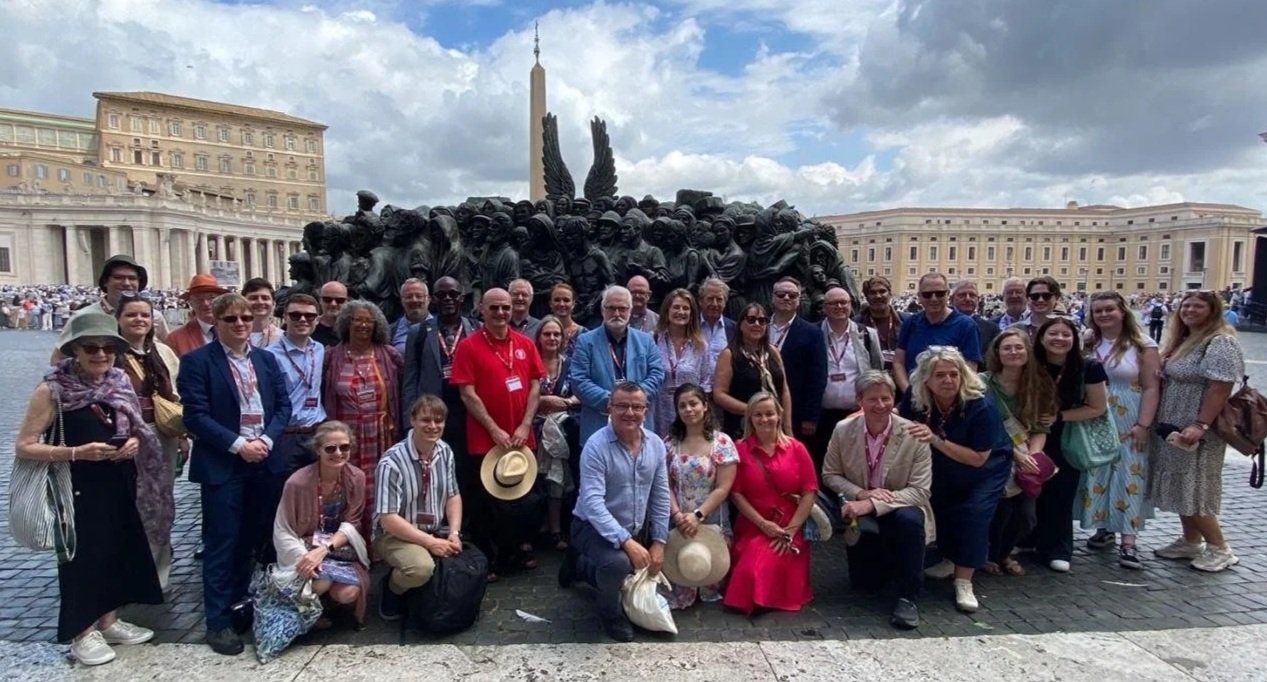
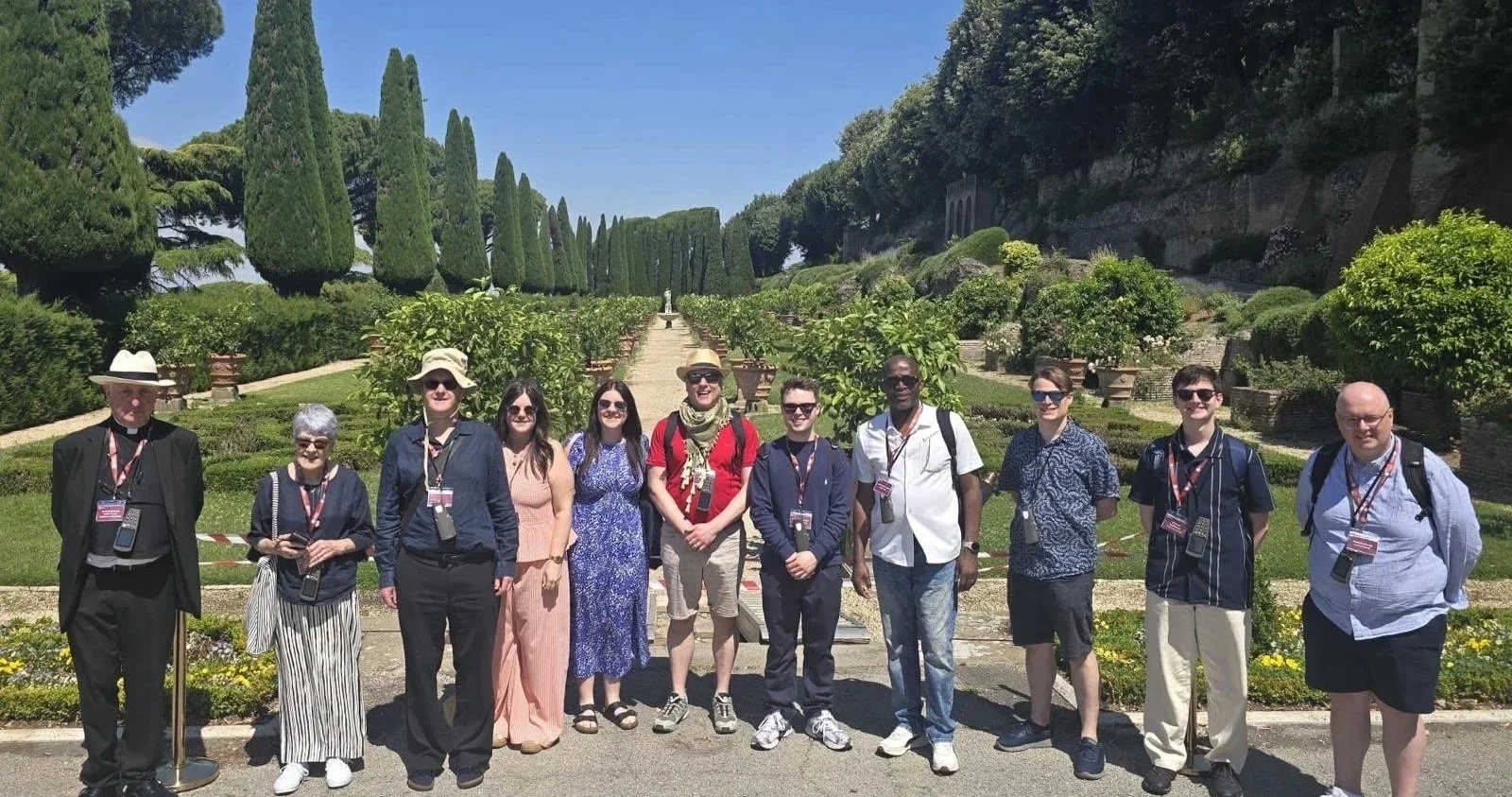
In the final week of May, I had the privilege of joining colleagues from across the Catholic social action network in Rome for the CSAN Leadership Conference. Bringing together leaders from charities, diocesan Caritas agencies and Catholic organisations from across England and Wales, it was a chance to step away from the day-to-day of our work and discern together about how we, as a collective, can build more compassionate communities.
For me, one of the greatest strengths of Million Minutes has always been our willingness to work collaboratively. Spending time with others who share a commitment to Catholic Social Teaching, justice and human dignity was both encouraging and energising. And in many of our discussions and times of discernment it was great to be able to bring in the voices and experiences of young people.
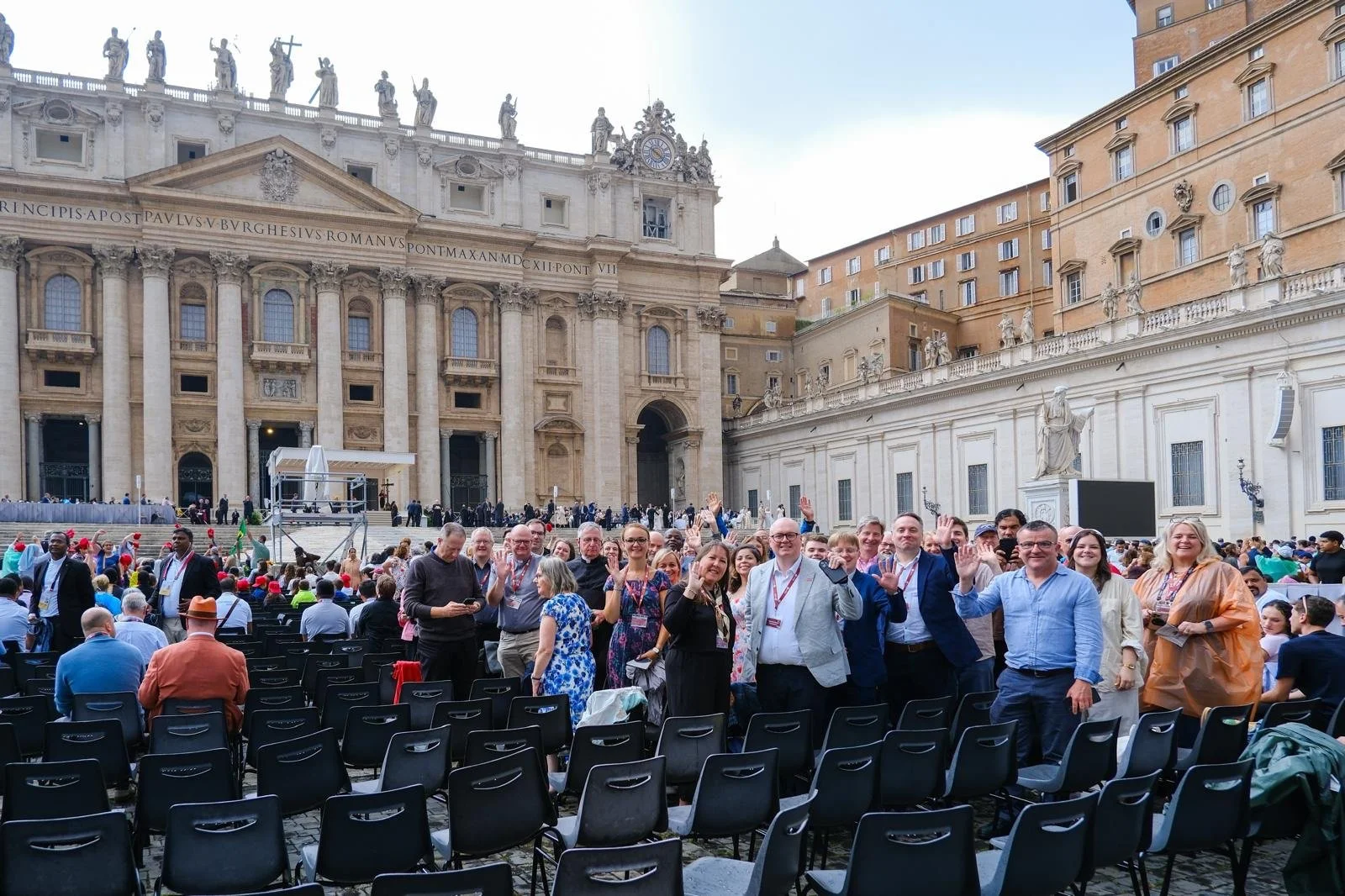
The conference invited us into four working groups: one on young people, one on the dignity of work, flourishing communities and the challenges facing our organisations.
Unsurprisingly, I found myself in the conversations around young people. We discussed the importance of l listening to young people but also and importantly moving beyond listening towards genuinely sharing power and responsibility with them. It reinforces something we strive to do every day at Million Minutes, to ensure young people are not just beneficiaries of our work but active partners in shaping it. This workstream greatly affirmed the work that we do and I was delighted to be able to share our work to help develop youth engagement across the network.
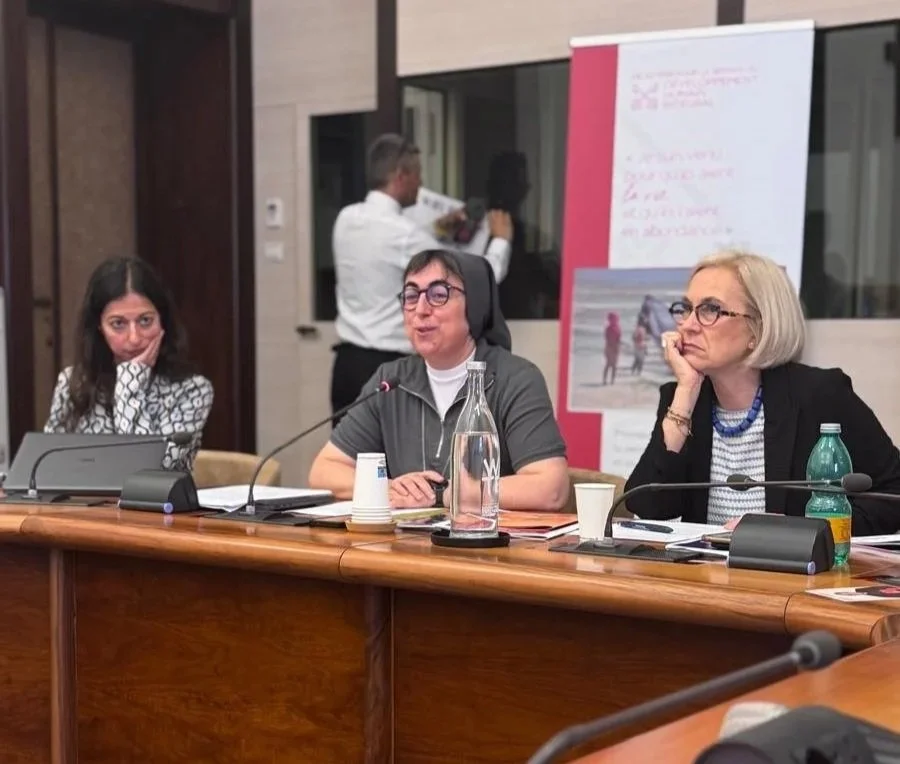
Alongside the workshops, we heard from inspiring speakers from across the global Caritas family and the wider Church. Each talk left me inspired with new ideas and dreams for the future of Million Minutes and many reinforced the need for our work and the way in which we work. It was great to hear, for example, from Rebecca Rathbone who is responsible for youth at Caritas International. To hear that internationally they are championing youth participation at trustee board level and beyond was great to hear and their call encouragement to each organisation to include young people and their experience was really encouraging.
A highlight was also attending the Papal audience and being able to visit the dicastery for integral human development as well as Caritas International. To hear from Pope Leo, and to meet with leaders in the dicastery and caritas international was a wonderful reminder of our connection with an international community who are also committed to the work we do.
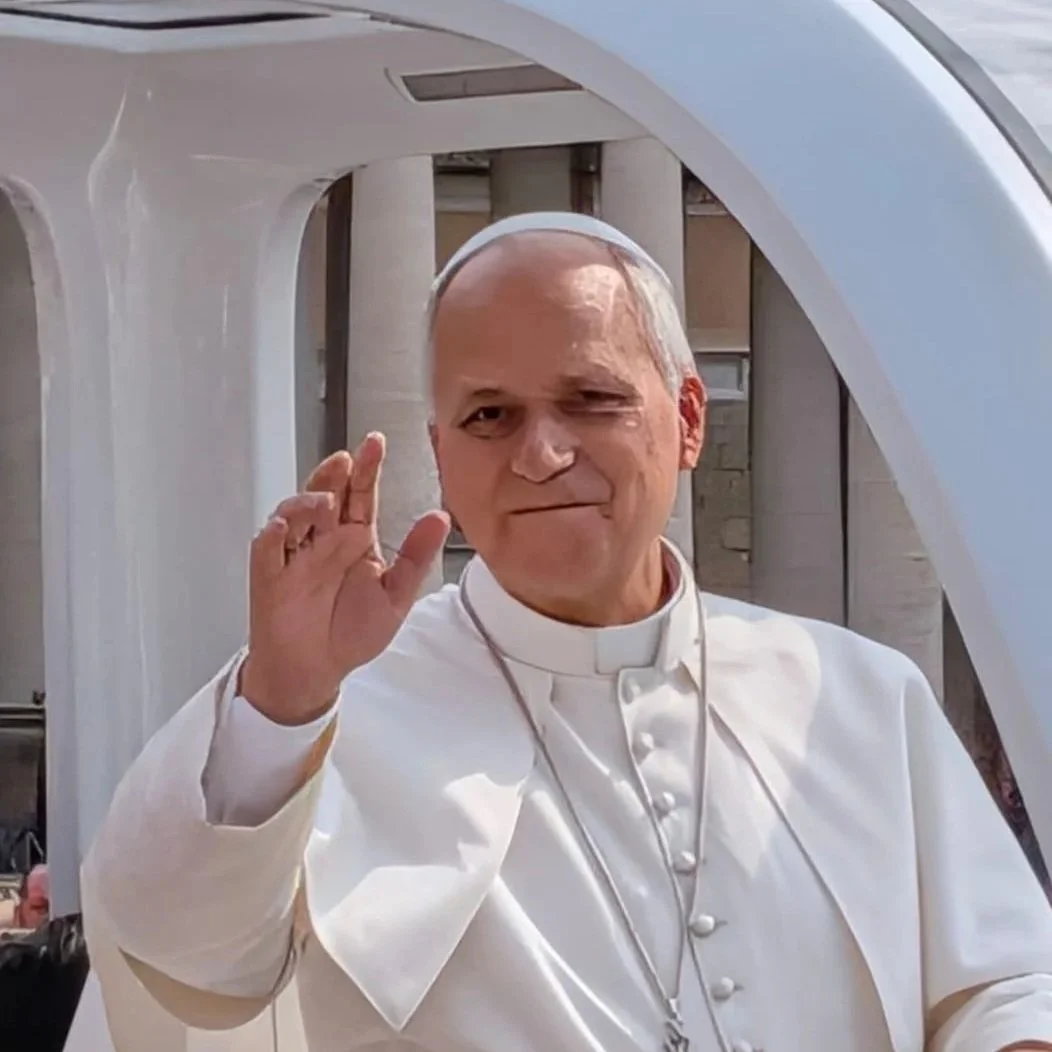
I headed home after a truly wonderful conference feeling extremely grateful to be part of such a vibrant network of people committed to the common good. The conversations has during the week have already sparked new ideas and partnerships that I hope will benefit Million Minutes and, most importantly, the young people we exist to serve.
A huge thank you to the CSAN team for all their work in organising such an important and life-giving conference. I would also like to thank my colleagues who attended for their generosity in sharing and commitment to collaboration working for the good of all our communities.
The Archdiocese of Liverpool Social Action Conference
Reflection written by William, Agents of Change young leader and participant in the Social Action Conference
The Liverpool Social Action conference is an annual event in the Archdiocese of Liverpool, bringing together people in faith-based charities, volunteers, and anyone with a particular interest in social justice advocacy and Catholic social teaching. The theme for this year was ‘Humanitas: Flourishing in Action’.
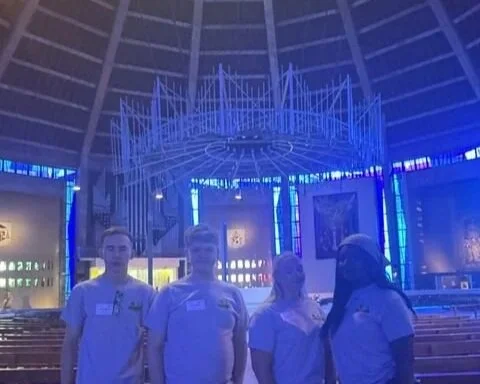
A small group of us met at the cathedral at 8:30 am in the morning, about 1 hour before the conference started we set up our workshop so we were prepared and could focus on the talks. It then got to 9:30 am, we all sat down in our seats and were welcomed by Lucy Raurer, part of the Social Action Team and Archbishop of Liverpool John Sherrington.
The first talk was on ‘The Church of Living Stones’ by Fr Maximillian Martin, who is a Franciscan friar serving as the provincial custos for the Order of Friars Minor Conventual and resides with the Greyfriars in Liverpool. I found the talk really interesting as I was able to learn much more about Saint Francis of Assisi and his life of poverty. The next talk was about ‘From Service to Communion: Exploring Humanitas for Our Time’ by Jenny Sinclair, the founder and director of Together for the Common Good (T4CG) The audience responded well to this, when speaking to people around me about what we heard somebody commented on how they are going to use those messages in their everyday life, everyone engaged well.
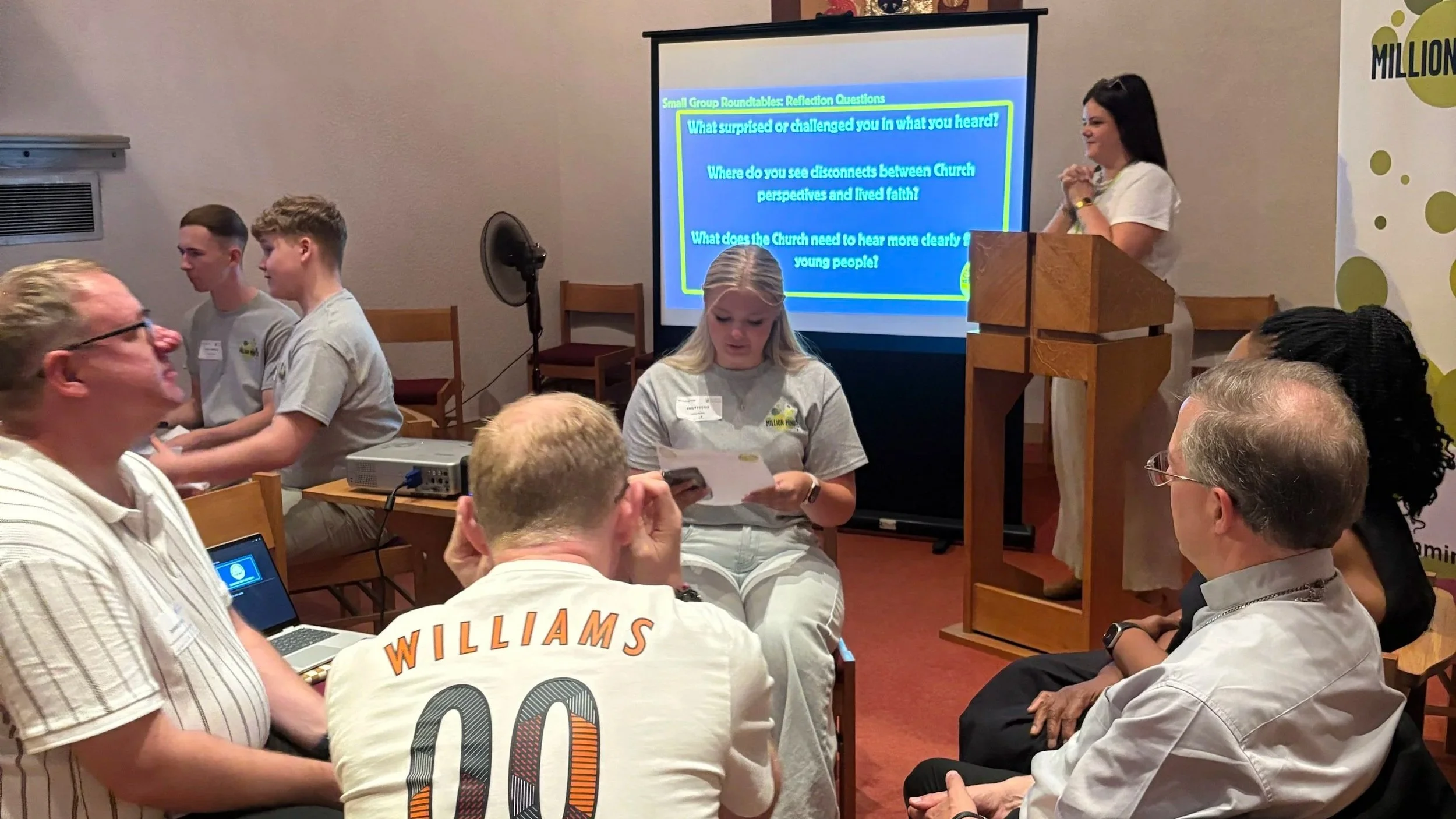
After the talks, there were 3 workshops and the first one was called ‘Everyday Human Kindness – Simple Actions for Racial Justice and Community Success’ by Justin Malewezi The founder of The Racial Justice House and a member of the Catholic Association for Racial Justice (CARJ). The next workshop was ‘Why Laudato Si Still Matters – Integral Ecology and Human’ by John Paul de Quay who is the co-founder of the Ecological Conversion Group Charity and The Journey to 2030 Project. The final workshop, which I helped lead was by the Agents of Change Young Leaders, with Million Minutes.
Our workshop was called ‘In Our Words’ During the workshop, wepened with a prayer, by Sotaar and short speeches Firstly by Dylan on ‘Where I see my Faith Misunderstood’ and secondly by Emily on ‘How my Faith Leads me to Love, Serve and Act’ bWe then split into three breakout groups, to discuss what had been heard and then shared our thoughts with the rest of the room. Finally, we finished the workshop with a prayer, lead by myself, thanking all those who had attended the workshops, the Million Minutes team and blessing all the young people who want to have their voices heard.
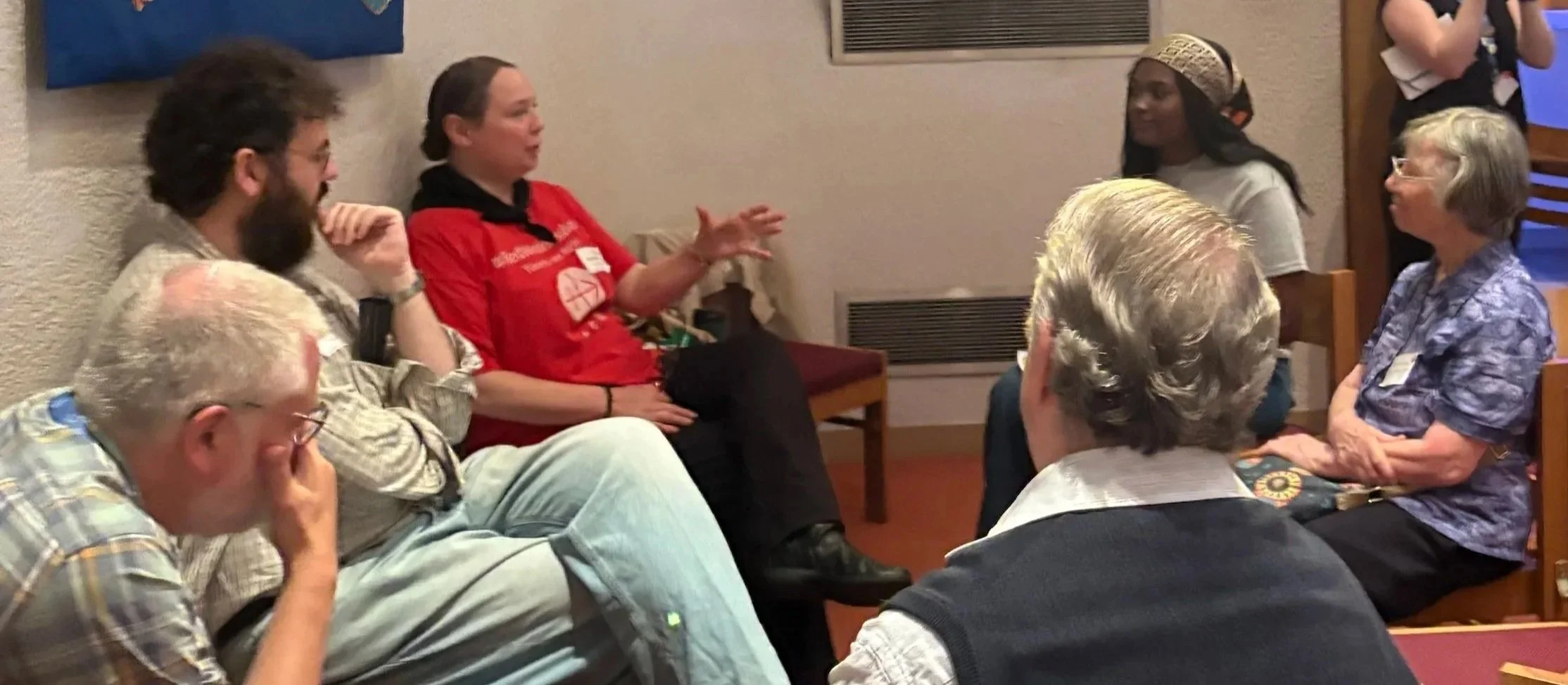
Following the workshops , we then returned to our chairs where Dcn. John Sargent led a 20-minutes of conversations in the spirit I really enjoyed this as it was a very peaceful way to reflect and consider everything that we had heard. We then had some lunch before heading into the final talk which was called ‘Manifesto for Hope & Our Communities: A Renewed Vision of Human Society’ by Revd. James Green who is the CEO of Together Liverpool, a charity supporting churches and communities to develop practical responses to poverty, exclusion and social need. I really enjoyed reading parts of the manifesto and discussing our own communities and the problems they face.
Next, we had a panel discussion with five panel members, chairing the session was Cllr Jane Corbett, who is the counselor for Everton West Ward. The five panel members were, Professor Iain Buchan who is a professor at The University of Liverpool, Tiffany St James who is the Chief AI officer at the Liverpool City Region, Francis Stewart who is part of the Centre for Catholic Social Thought & Practice (CCSTP), Cllr Portia Fahey who is also a counselor for Everton North Ward, and Jenny Sinclair, Founder and Director of T4CG and the co-host of the Leaving Egypt podcastand Revd. Phil Jump Regional Minister and Team Leader of the North Western Baptist Association and chair of Churches Together in the Merseyside Region (CTMR) Overall, I found the panel very inspiring and noticed that everyone involved interacted with interesting and thoughtful questions.
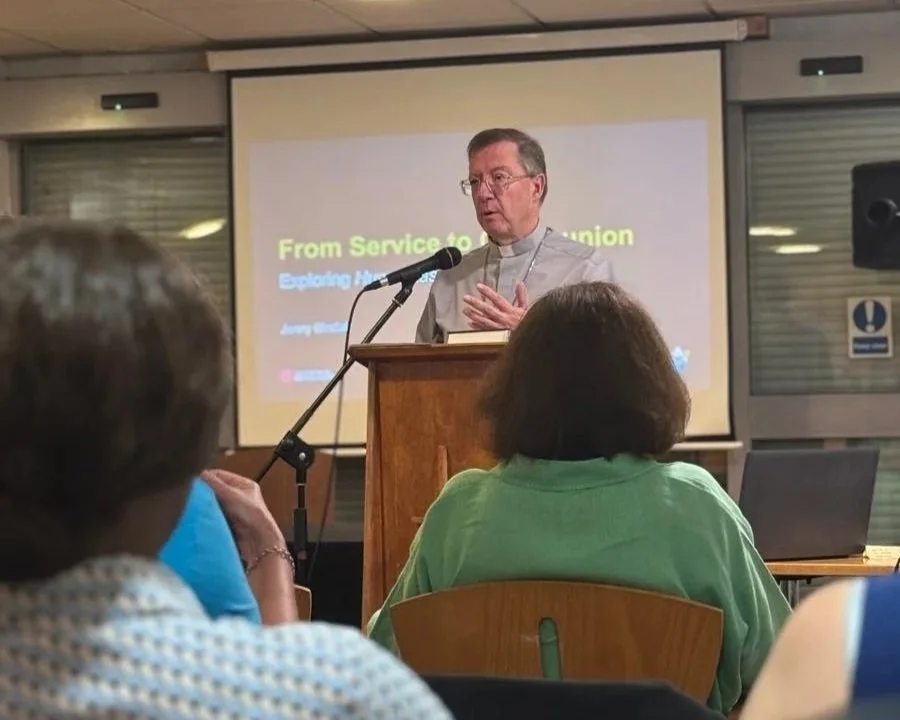
Finally, Dcn. John Sargent ended the event with a final reflection on the day as a whole and Lucy Raurer thanked us for coming, initiating a round of applause for those who contributed and attended the event.
Refugee Week Prayer Vigil
Reflection written by Ioli, Agents of Change young leader and participant in the Refugee Week event
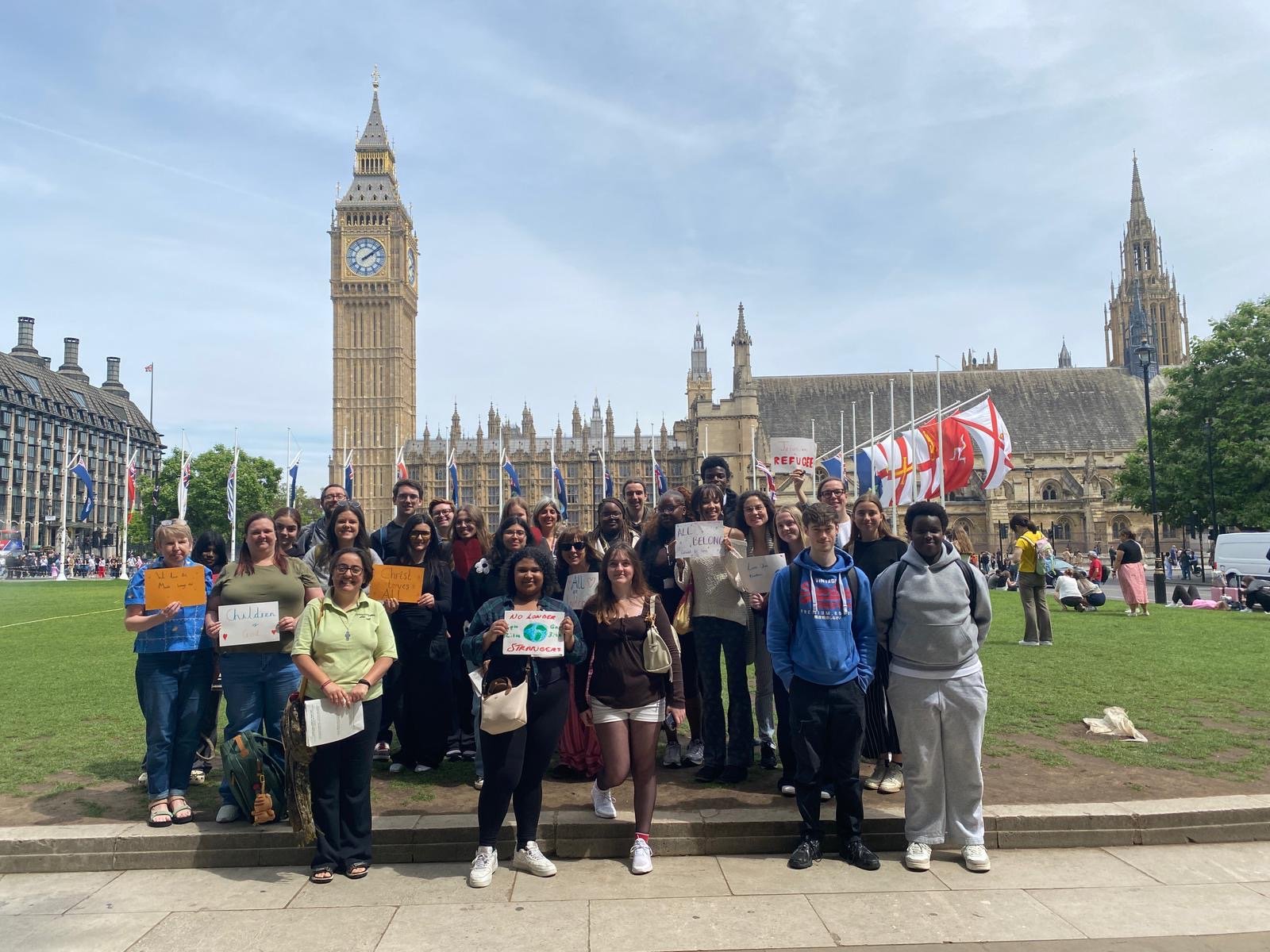
On the 15th of June we spent a day in London participating in a meaningful programme centred on faith, social justice, and human dignity. Alongside the Columban Missionaries Britain, we joined a peaceful prayer protest advocating for the rights of refugees and asylum seekers. The event provided an opportunity to reflect on our shared values, exploring how the teachings of scripture, the words of prophets, and the examples set by significant religious figures all emphasise compassion, inclusion, and the inherent dignity of every person.
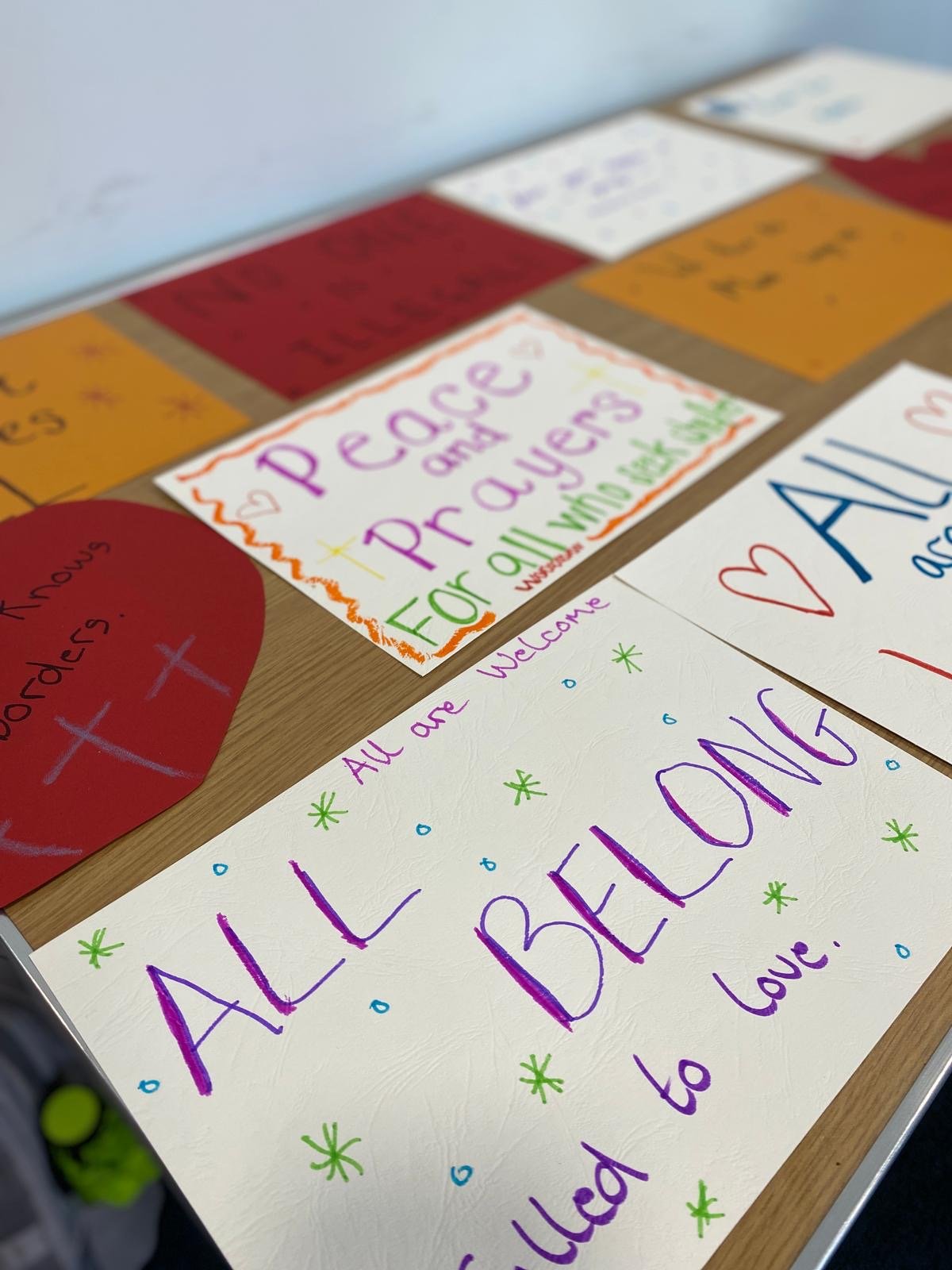
A particularly powerful reflection focused on the fact that Jesus himself experienced life as a refugee. This highlighted the Christian responsibility to welcome and support those forced to flee conflict, persecution, or hardship, while also demonstrating how similar principles of hospitality and justice remain alive today. Listening to different perspectives reinforced the importance of promoting acceptance, understanding, and solidarity in an increasingly divided world.
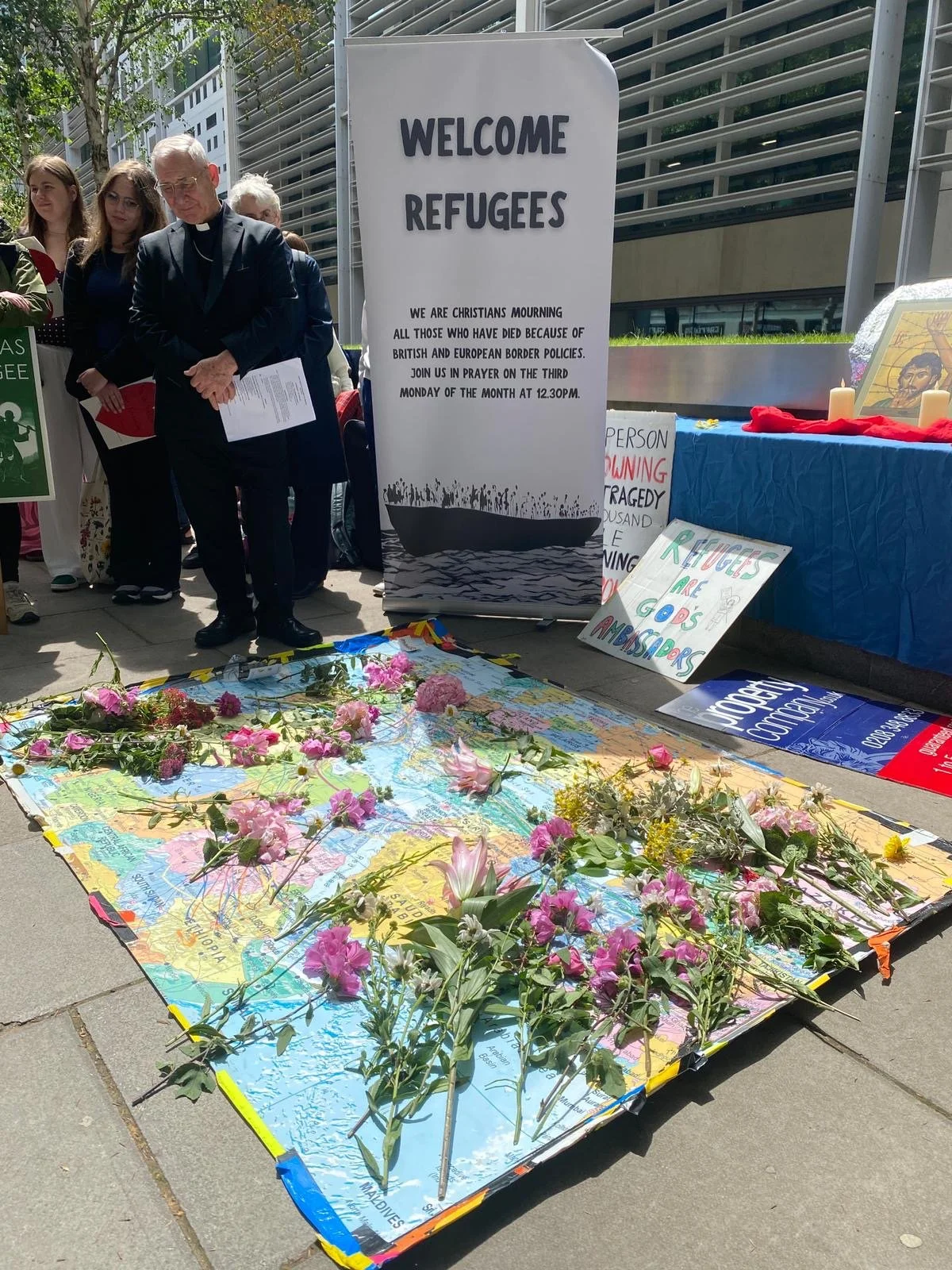
The experience strengthened my appreciation of the role faith communities can play in advocating for human rights and supporting vulnerable people. It demonstrated that religious belief is not only expressed through worship but also through action, service, and standing alongside those in need. As a memorable reminder of the day, I was also given a spider plant, symbolising growth, care, and new beginnings.
Experience of SiLENT 2026
Reflection written by Michael Chambers, a participant in the SiLENT 2026 Campaign
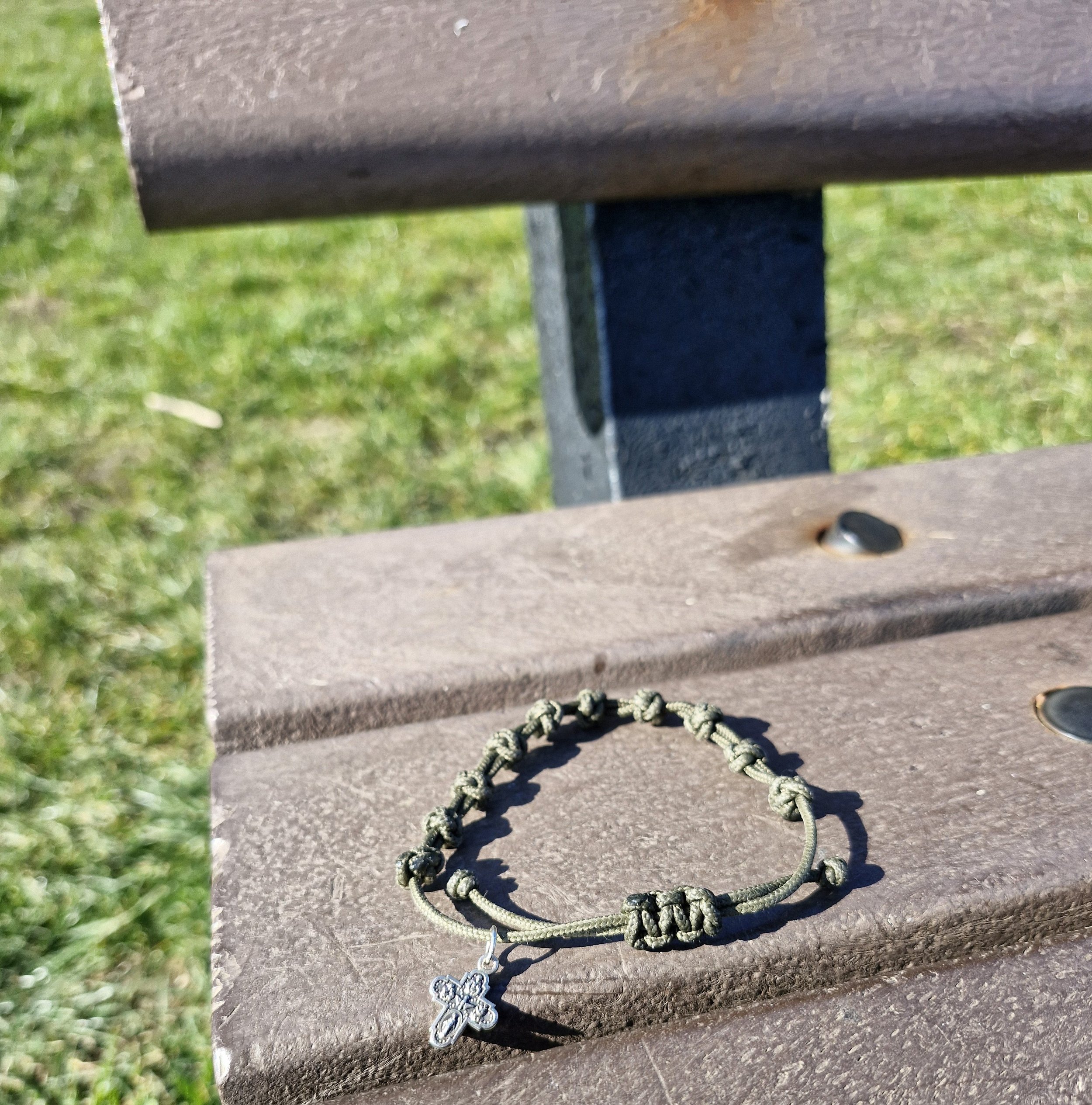
Last week, I took part in a sponsored silence to raise money for Million Minutes, challenging myself to stay silent for a whole 24 hours. Each Lent, Million Minutes holds a campaign called SiLENT where they encourage people to raise money through sponsored silence.
I knew my SiLENT day was going to be difficult, but I hadn’t realised how difficult. For anyone that knows me, it can often be quite hard to get me to stop talking. The trouble with trying to stay completely silent, is you begin to notice all those ways in which you typically aren’t: humming, muttering to yourself (in my case, sometimes whole conversations are had), or even reading emails out loud. You suddenly become acutely aware of all those little ways that your brain keeps itself occupied throughout the day.
I believe that these ways your brain keeps things ticking over when you’re bored are natural – indeed, they are far better than “doomscrolling” on your phone endlessly. However, as Christians, we are called to be supernatural. Silence in the Christian tradition has existed since the very beginning: even the prophet Elijah heard the voice of God not in the storm, the earthquake, or the fire – but in the silence.
Silence, ironically, becomes a way to have a conversation as well – either with myself or with God – I am quiet in order to ensure that I am better disposed to listen. Indeed I found myself paying more attention to what people were saying to me, because I had to be aware of how I responded (not by words, but often my hand gestures and pointing). This is the heart of why Million Minutes runs this campaign each year; if we are to raise up and encourage youth voice we also must make sure that we are ready to listen to what they say. We can’t simply make token gestures, but we must be ready truly listen and have our minds and hearts truly changed.
Moreover, having to stay silent also opens the door to help us sympathise with those who are often unheard. In many cases this is young people – who often have so much they want to say – but, for example, in other cases, it might be those we see experiencing homelessness, with little-to-no agency of their own.

I even found the time to take a “prayer walk” at lunchtime, instead of staying in on my phone
I’ll admit that I wasn’t silent for the whole day, there were couple of slip-ups here and there: a “bless you” when I heard a sneeze, or calling out to my cat who was trying to enter through my bedroom window. But I think that speaking merely a handful of times (having never spent that long in silence in my entire life) is pretty good going!
Agents of Change: Rediscovering Hope in a Community of Young Leaders
Reflection written by Ioli, a participant in the Million Minutes Agents of Change: Youth Leadership for Peace and Justice programme.
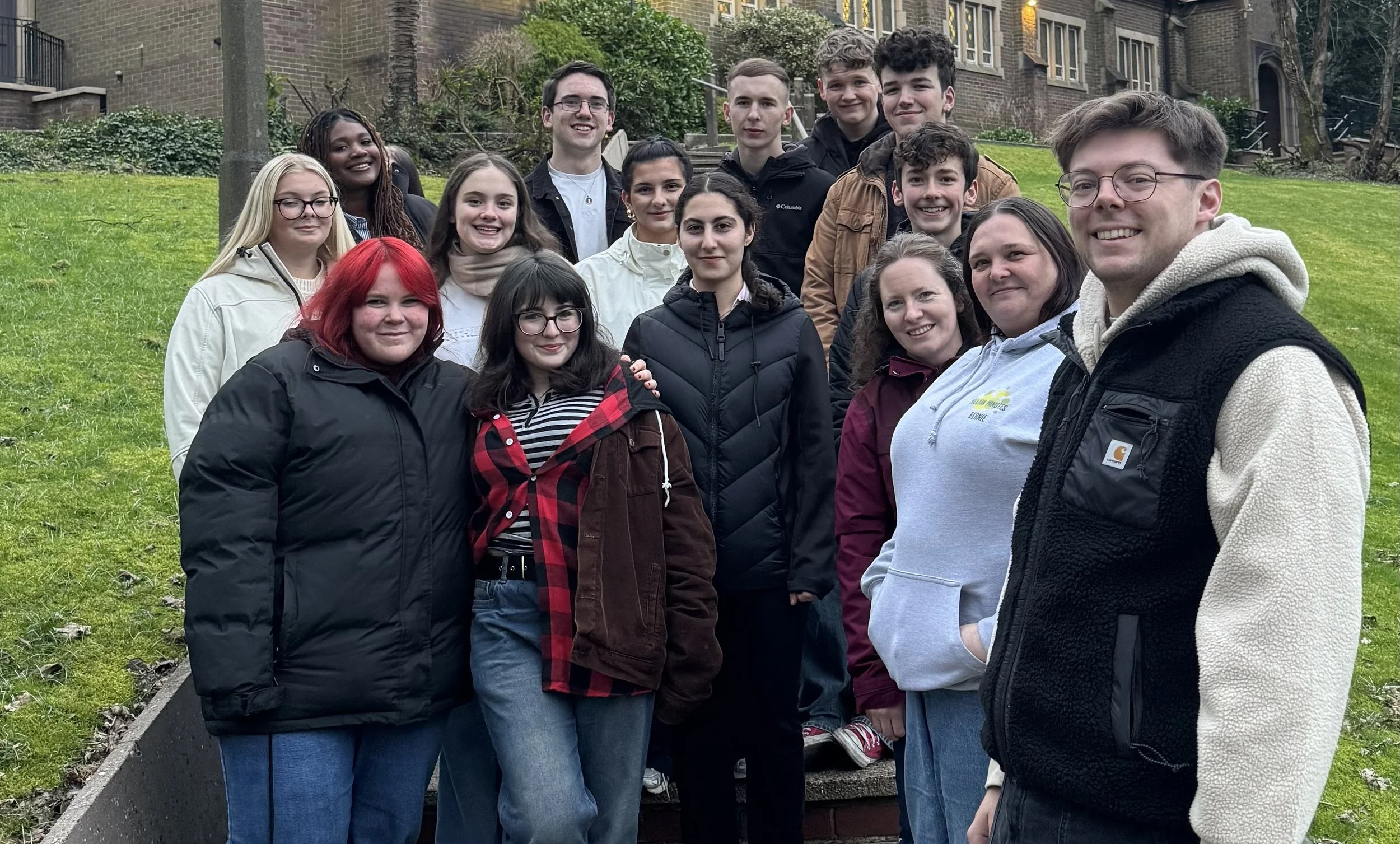
The Million Minutes Agents of Change leadership residential retreat from the 6th to the 8th of March 2026 was an unforgettable experience, not only because of the progress we made on our final project (more information to come about this soon), but also because of the remarkable people I encountered. Over those few days, I met an array of thoughtful and like-minded young people whose ideas, conversations, and perspectives taught me far more than I could have expected.
Our discussions were guided by several inspiring speakers, including Lucy and Clare from Durham University, Aisling from Pax Christi, and Tom from Million Minutes. Each of them generously shared their knowledge and encouraged us to explore new perspectives on passion, hope, justice, and peace. One particularly fascinating discussion focused on the subtle historical symbolism found in the Bible and how actions can be interpreted in different ways depending on cultural context. For instance, the well-known verse, “If someone strikes you on the right cheek, offer them the left also,” is often interpreted purely as a message of humility. However, when understood within its historical setting, the way a person struck another carried social meaning: a strike with the right palm implied equality, while one with the left suggested disrespect. This deeper understanding challenged me to reflect on how people’s actions are often shaped by their own interpretations of justice.
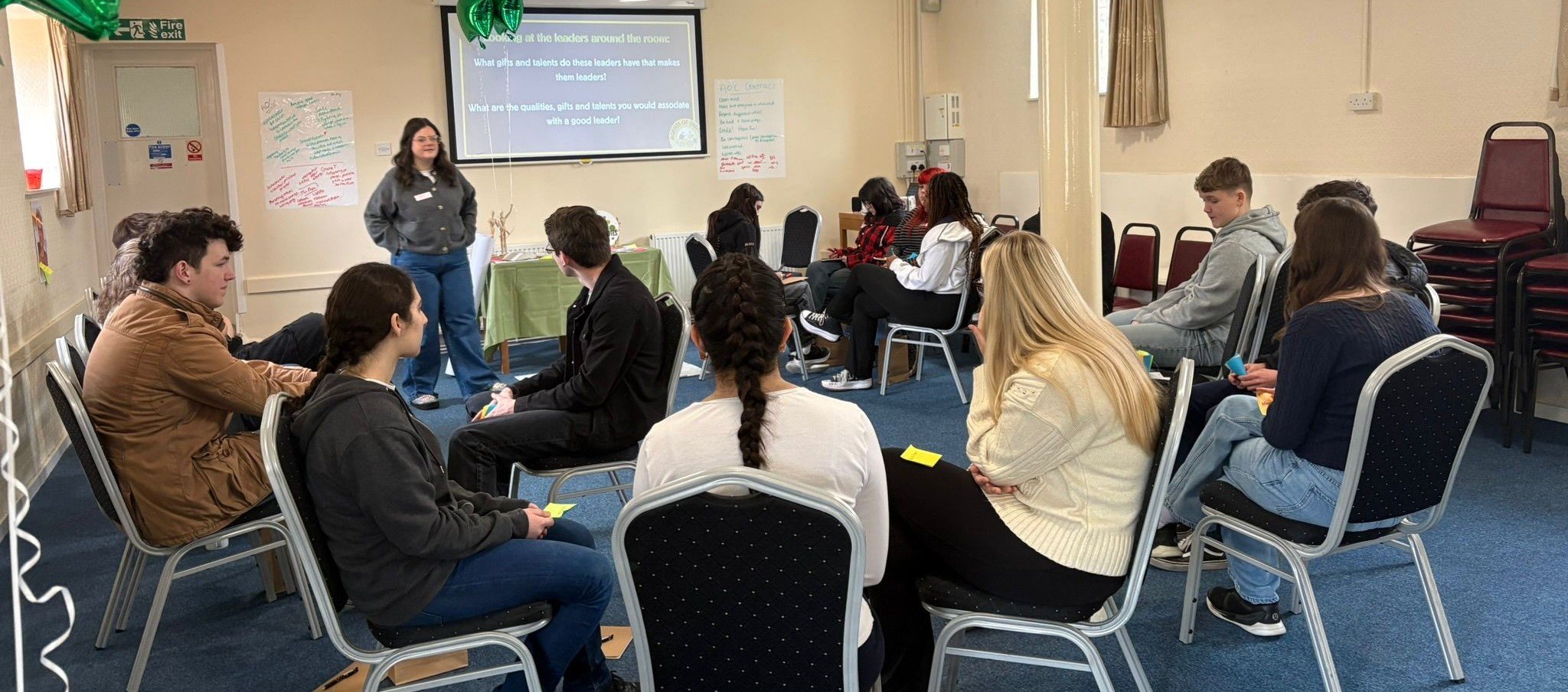
This conversation led us to consider how individual passions, formed by memories and imagined ideals of the world, can influence how people act on what they believe is right. For example, some individuals may believe that going to war in defence of their religion is justified, while others view even peaceful protest as an extreme measure. Exploring these contrasts encouraged us to question how passion, belief, and memory shape the ways people pursue justice.
During Lucy’s philosophical and theological seminar, we explored the roots of fear and reflected on whether relief can truly be experienced without first knowing fear. This idea draws on the philosophy of St Thomas Aquinas, who argued that good cannot be fully understood in the absence of evil. Building on this, we discussed how hope can be understaff as a powerful human passion or as a theological virtue and considered how meaningful change requires us to “agitate without irritating.” This phrase stayed with many of us and became a guiding idea as we began planning how to structure our event in the summer term.
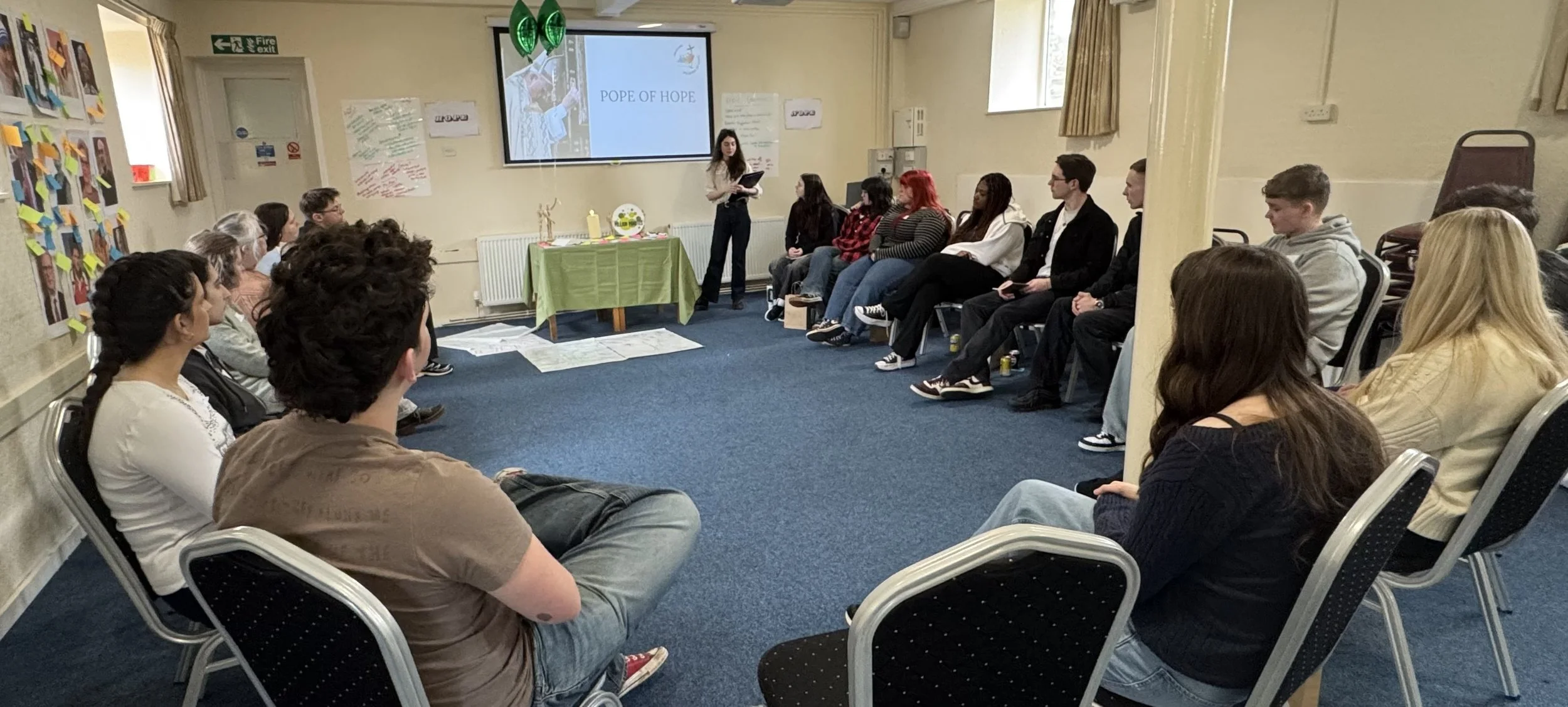
A passage that resonated deeply throughout the retreat was Matthew 20:25–28: “The Son of Man did not come to be served, but to serve, and to give his life as a ransom for many.” Guided by Bernie and Kate from Million Minutes, we explored how our event could represent, educate, and serve people. Through ‘conversations in the spirit’, I was able to hear incredibly thoughtful, honest, and real ideas from my peers. Their openness and sincerity filled me with hope that together we could create something truly meaningful. By sharing our experiences as Christians, discussing the importance of inclusion, recognising that if you exclude someone, you also exclude all of their ideas and encouraging one another’s contributions, we gradually shaped what began to feel like a genuinely empowering and liberating event.
If I had to choose a single moment that stood out above the rest, it would undoubtedly be the walk to and from Mass, as well as the Mass itself. Before attending the retreat, I hoped that it would help me rediscover a sense of hope in God’s world around me and it truly did. Seeing so many young people deeply committed to their faith yet also open to discussion and reflection was really moving. The peaceful walk through the village that evening sparked beautiful conversations that allowed me to connect more deeply with these inspiring young leaders. It was a moment of genuine connection that I will always remember.
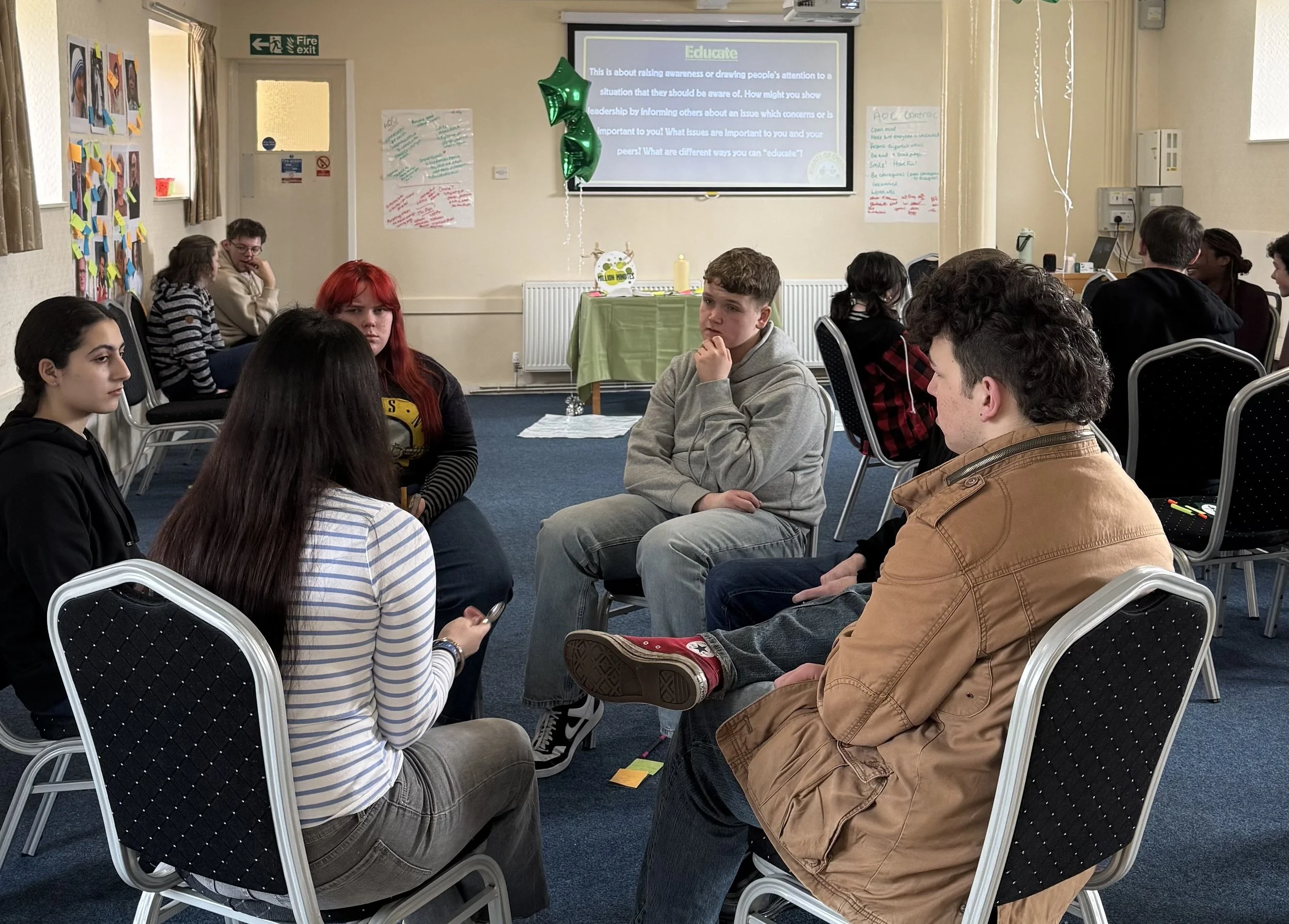
I am immensely grateful to have been given the opportunity to take part in this retreat. It not only strengthened my faith but also reminded me of the power of thoughtful conversation and hopeful passion.
Rocketing into CYPR 25/26 following this year’s Launch
Reflection written by Bernie Goddard, Engagement Officer for Million Minutes
This year we have been overwhelmed by the response and sign-ups for Celebrating Young People: Revival 25/26 so far. Since we launched this year's fully resourced program at our launch event back in June, everything has fallen into place, bringing a varied and exciting mix of almost 40 schools, parishes, and youth groups from 16 dioceses nationally.
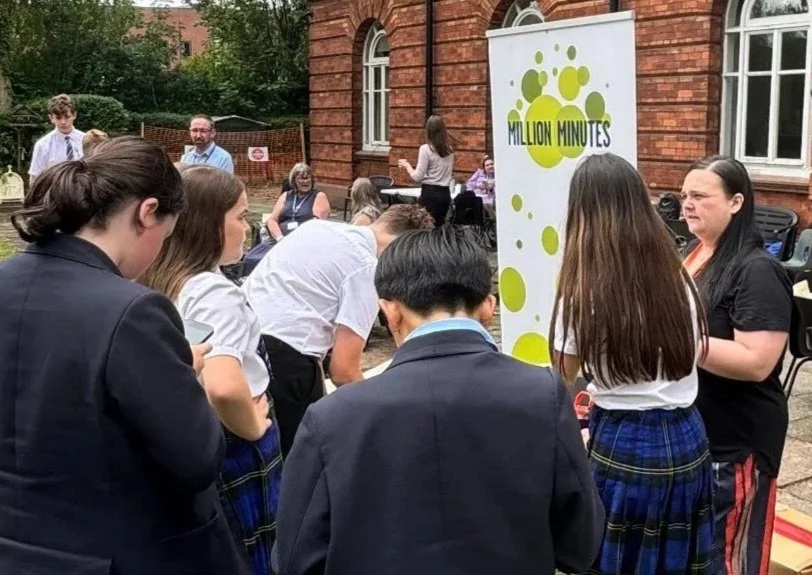
We are excited to be working with over 4000 young people and amplifying their voices not only in our work but with many other organisations who have contributed to this year's program. This is also an opportunity for young people to learn about how organisations such as Pax Christi, Young Christian Workers, CARJ (Catholic Association for Racial Justice), Caritas Salford, Common Good School, FCJ Centre for Spirituality and Eco Justice and many more live out Catholic Social Teaching in their work.
The opportunity to work with so many young people this year means that we will be able to have a broad outlook on what young people around the UK are thinking and feeling about the communities where they live and go to school and the parish communities they are part of, as well as the wider world and Church. This information is important not only for Million Minutes and our work but also for the organisations we work with and for young people themselves. These voices inspire change; they are a call to action and give us the knowledge and understanding needed to stand in solidarity with young people nationally. Celebrating Young People: Revival is about creating a culture of listening, giving reason to why and how we can live out Catholic Social teaching, praying and discerning how we are called to respond, being inspired to act, acting through faith and through dialogue with others, and finally celebrating the amazing things young people offer our world and Church.
We look forward sharing updates from our 25/26 cohort and invite you to join us in supporting and celebrating these inspiring young people.
How to run siLENT in your parish
This year Lent looks a little different, but that doesn’t stop us connecting with our parishioners online. Here are four things you can do to share Million Minutes siLENT in your parish today.
1. Place a notice in the parish newsletter
Place a notice about siLENT in the parish newsletter for two or three weeks in a row, to make sure that parishioners who miss looking at the newsletter one week might see it the next week.
Download our Parish Appeal pack
2. Mention siLENT during Online Mass
Ask your priest to mention siLENT during Masses on the weekends of 27/28 February and 6/7 March, so that more people might hear about it and to remind parishioners that they can give online.
3. Post our stories of change story on social media
Ask your parish Facebook administrator to place posts on your Facebook page to let people know about Shanea’s story, and invite parishioners to give to the Lent appeal, using these special parish resources on our website.
Explore our siLENT resources for Lent
4. Share the siLENT video
Ask if Million Minutes 10 years of deafening silence video could be placed on your parish website and on the Facebook page. If your parish livestreams Mass you could also ask if the Million Minutes video can be played at the end of Mass or a donation link placed on the stream platform.
To find out how you as a Parish can get involved in siLENT today visit: https://millionminutes.org/silent
Contact our Engagement Officer Kate if you have any questions.